The funeral industry is quietly undergoing a digital transformation. Gone are the days when funeral planning meant sitting in a wood-paneled office, leafing through binders of options while dealing with grief and logistics all at once. Today’s smart funeral homes blend technology with compassion, offering digital tools that streamline planning, enable remote attendance, and keep families connected during their most difficult moments. This shift isn’t about replacing the human touch, it’s about enhancing the experience and making the process more accessible for families spread across the country or managing multiple responsibilities simultaneously.
Table of Contents
ToggleKey Takeaways
- Smart funeral homes use cloud-based platforms and digital tools to streamline planning, reduce confusion, and allow families to compare options transparently at their own pace.
- Virtual attendance and hybrid services enable geographically dispersed family members to participate in real-time through livestreaming, digital guest books, and shared memorial spaces.
- Digital communication platforms consolidate scattered phone calls and emails into a single dashboard, keeping all family members equally informed and reducing stress during grief.
- Smart funeral home technology creates lasting digital memorials with photos, videos, and stories that relatives can access years later, honoring loved ones beyond the service day.
- Data management systems track family preferences and service details, enabling continuity of care and respect when the same family uses the funeral home in the future.
What Makes a Funeral Home Smart?
A smart funeral home integrates digital platforms and automated systems to improve how families plan, attend, and memorialize their loved ones. Think of it as the difference between a traditional brick-and-mortar travel agency and booking flights online, the outcome is the same, but the convenience and transparency are vastly different.
Smart funeral homes use cloud-based management software to handle arrangements, inventory, and scheduling. They offer online planning portals where families can compare casket options, select flowers, and review service packages from their home. Some offer live-streaming and virtual attendance capabilities so distant relatives can participate in real-time. Digital communication tools replace scattered phone calls and emails, keeping everyone informed through a single platform.
But, not all funeral homes have adopted these technologies equally. Some are fully integrated digital-first operations, while others blend traditional in-person consultations with a few digital conveniences. The key distinction is intentionality: a truly smart funeral home views technology as a tool to reduce friction and honor families’ preferences, whether that means in-person ceremonies, hybrid services, or fully virtual memorials.
Essential Smart Technologies in Modern Funeral Homes
Virtual Attendance and Hybrid Services
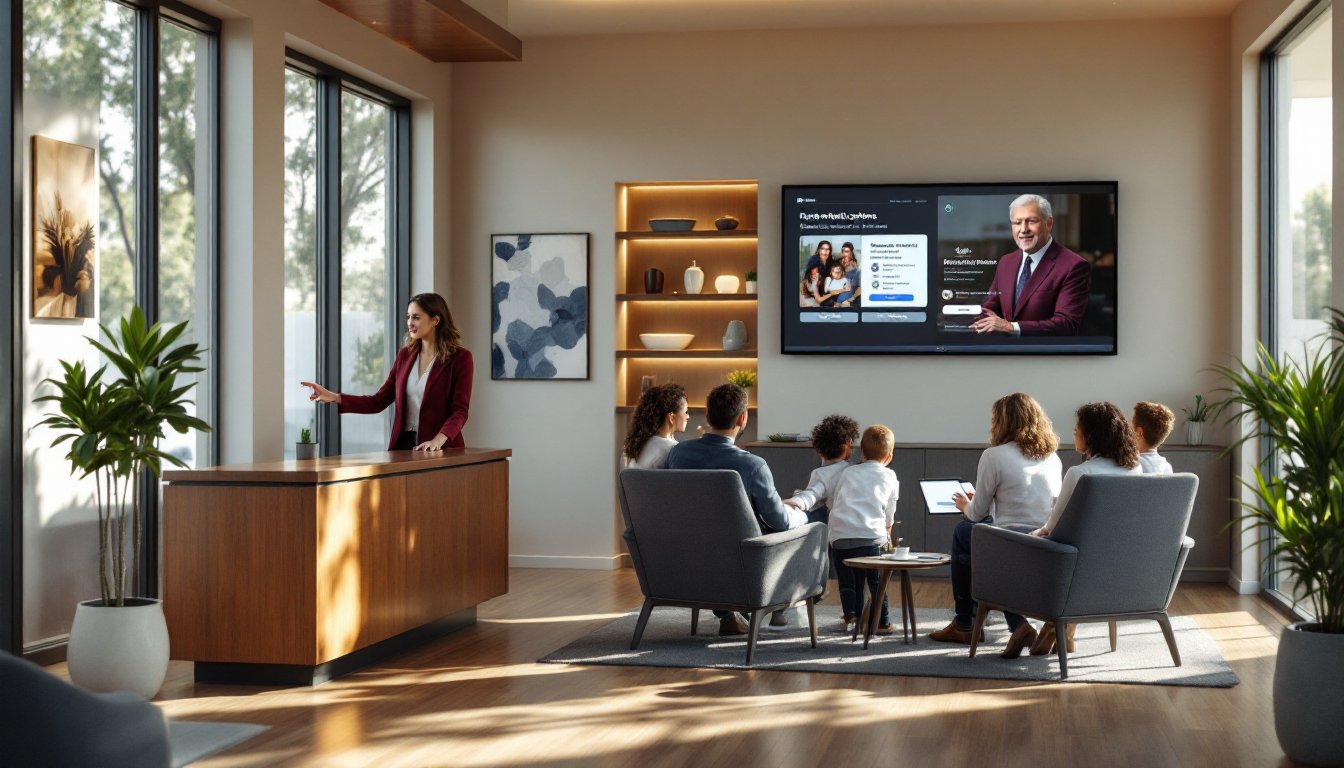
One of the most significant changes in modern funeral homes is the ability to attend services remotely. Livestreaming funeral services has become standard at many locations, allowing family members who can’t travel, due to distance, health, cost, or other obligations, to participate in real-time. This isn’t a second-rate experience: it’s a practical accommodation that honors the growing reality of geographically dispersed families.
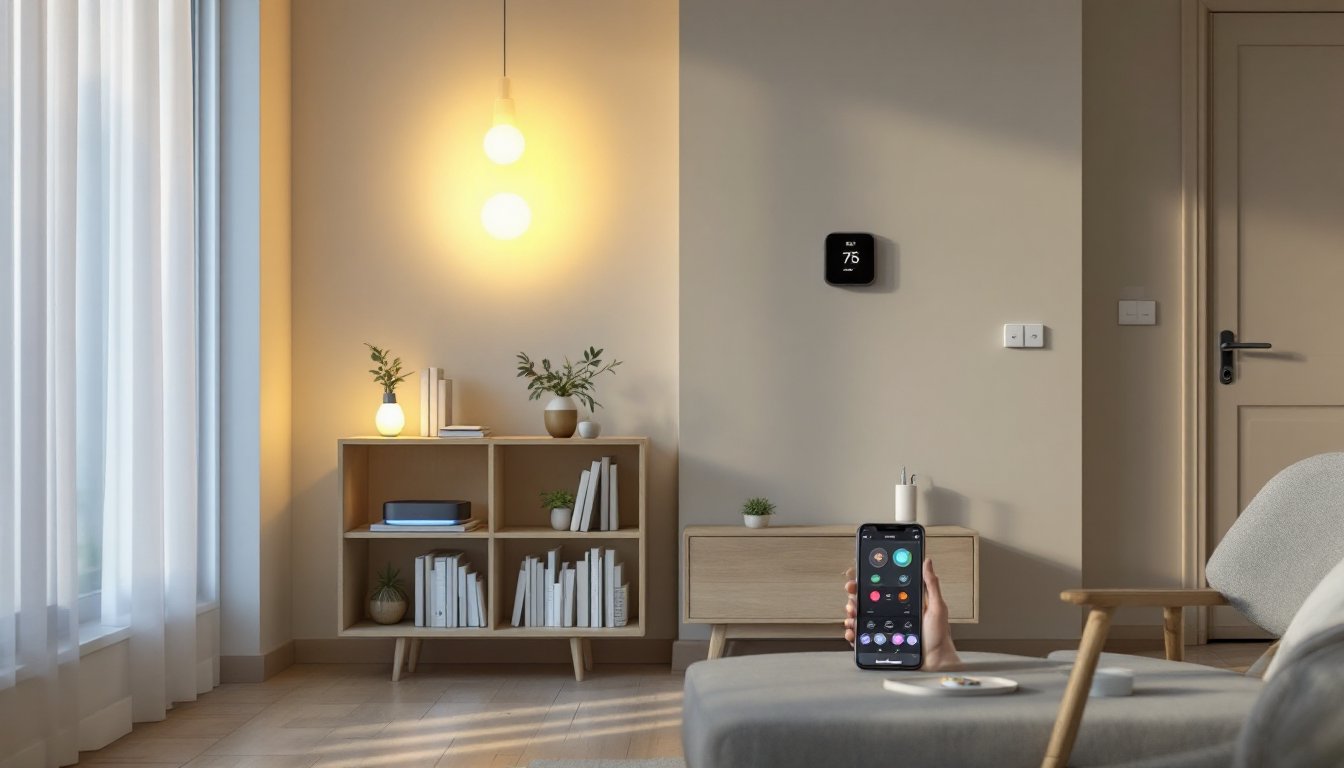
Hybrid services combine in-person and virtual attendance. A funeral home might set up HD cameras and a professional-grade audio system so remote attendees can see and hear every moment clearly. Recent reviews of home automation guides show how video and audio integration has become seamless in residential spaces, and funeral homes are applying similar principles. Some platforms allow virtual guests to sign the guest book digitally, send flowers with one click, or post condolences in a shared space. This democratizes participation: a grandchild in California, an old friend in another state, and local community members all experience the service together.
Digital Family Communication Platforms
During the planning and grieving period, families often juggle multiple phone calls, text messages, and emails. A smart funeral home consolidates this chaos into a single digital dashboard. These platforms function like private social networks, where designated family members can view service details, RSVP, share photos, post memories, and receive updates.
These platforms typically include notification features that alert family members to important dates (the service time, deadline for flower orders, thank-you card deadlines). Some offer task management tools so that organizing a reception, ordering flowers, or assigning speakers becomes transparent and tracked. Smart home technology reviews increasingly highlight how unified platforms reduce user friction, and funeral service platforms apply the same principle. Instead of the oldest sibling fielding calls and forwarding information, everyone has equal access and visibility.
How Smart Systems Improve the Funeral Experience
Smart technologies address the two biggest pain points families face: confusion and isolation. When grief clouds decision-making, having clear information at your fingertips, without needing to call someone, reduces stress significantly. Digital planning tools walk families through choices step-by-step, often with photos and descriptions that remove ambiguity.
Memorialization takes on new dimensions with smart systems. Some funeral homes offer digital memorial pages that live permanently online, functioning as a lasting tribute. Families can upload photos, videos, and stories that relatives can access years later. This is especially meaningful for children who weren’t born when a loved one passed or for branches of the family disconnected by time and distance.
Data management is another often-overlooked benefit. Smart funeral home software tracks preferences, service details, and family contact information. If the same family uses the home again in the future, the staff already understands their preferences and has a record of previous arrangements. This continuity of care, powered by simple database management, feels deeply respectful.
Another advantage is transparency in pricing. Rather than receiving a written estimate and feeling pressured to decide, families can browse options online at their own pace. They can compare casket prices, service packages, and add-ons side-by-side. This well-informed choice-making reduces post-service regrets and buyer’s remorse. Smart home technology and connected devices are increasingly expected to provide transparency and user control, and families now expect the same from funeral service providers.
Planning a Service at a Smart Funeral Home: What to Expect
If you’re planning a service at a smart funeral home, the process typically begins with a consultation, either in-person or via video call. You’ll create a family account and receive credentials to access the funeral home’s planning portal. From there, you can browse service packages, casket or urn options, and additional services like flower arrangements, catering, or video recording.
The portal usually includes a timeline and checklist of decisions to make. You’ll select a service date and time, choose whether the service is in-person, virtual, or hybrid. If hybrid, you’ll coordinate with the funeral home about technical details, how guests will receive the livestream link, how they’ll participate in digital guest books, and whether they can submit photos or messages in advance.
Communication happens through the platform’s messaging system. Instead of calling the funeral home and waiting for a callback, you can ask questions directly in the portal, and a staff member responds with details about your specific service. This asynchronous communication respects everyone’s schedules and creates a written record of what was discussed.
On the service day, if you’re attending in-person, the experience is familiar. If you’re joining remotely, you’ll receive a link to the livestream before the service begins. You’ll be able to listen and watch in real-time. Many platforms allow remote guests to participate in moments of silence or to add their condolences to a shared digital space that the family can revisit later.
After the service, the portal often remains accessible for a period, allowing late-arriving relatives to view the recorded service, see photos from the event, and continue sharing memories.
Conclusion
Smart funeral homes represent a meaningful shift in how we handle loss. By reducing administrative friction and enabling remote participation, technology allows families to focus on what matters: honoring the deceased and supporting one another. Whether you’re planning a service or attending one remotely, these digital tools make the experience more accessible, transparent, and connected, qualities that matter deeply when grief is at its peak.