

Picture this: a facility running smoothly, equipment humming like a well-oiled machine, and staff focused on their work rather than scrambling to fix unexpected breakdowns. Sounds dreamy, right? Welcome to the world of facility preventive maintenance. This strategic approach not only keeps everything in tip-top shape but also saves time and money in the process. Let’s jump into the nitty-gritty of why preventive maintenance is essential for any facility.
If you’re thinking about committing to a preventive maintenance program for your facility, you’re already on the right path. Let’s explore what it truly entails, its importance, and how technology can revolutionize maintenance.
Understanding Preventive Maintenance
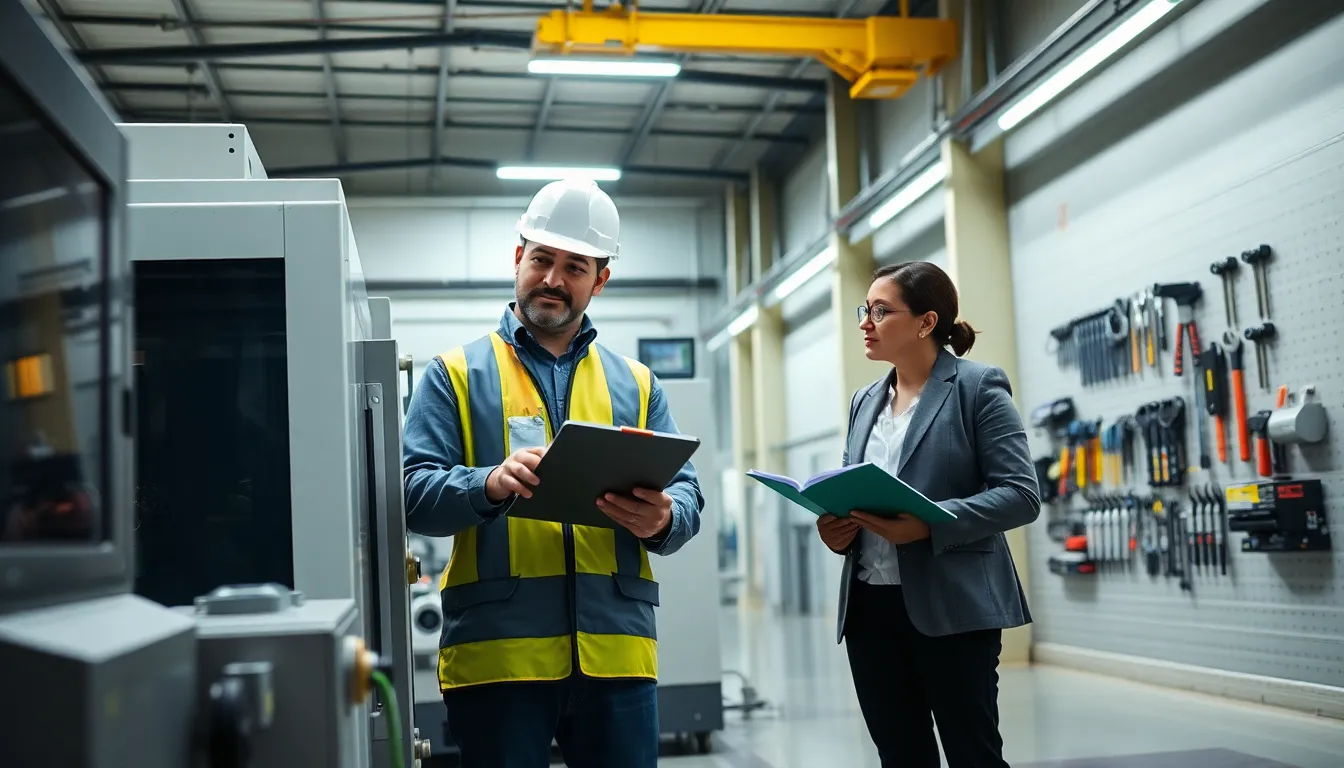
Preventive maintenance involves planned maintenance tasks aimed at preventing sudden equipment failures. Unlike reactive maintenance, which deals with problems after they occur, preventive maintenance schedules regular checks and service of equipment and systems. The goal is to maintain machinery in peak operating condition. This proactive approach minimizes downtime, prolongs equipment life, and enhances efficiency.
In a nutshell, preventive maintenance is about being ahead of the curve: it anticipates issues before they escalate into costly repairs. By regularly inspecting and servicing equipment, businesses can spot potential problems that might not be immediately obvious. So, preventive maintenance helps ensure operations run like clockwork.
The Importance of Preventive Maintenance
Preventive maintenance bears many fruits, and understanding its importance becomes essential for any facility manager. First and foremost, it greatly reduces unexpected equipment breakdowns. Imagine a manufacturing plant losing hours of productivity due to a sudden equipment failure: it’s a situation every manager wants to avoid. Regular maintenance helps identify issues early on, thereby minimizing disruption.
Also, focusing on preventive maintenance is financially savvy. Unscheduled repairs can drain budgets quickly. You can save substantial amounts by maintaining equipment instead of waiting for it to fail. Also, having a regular maintenance ritual enhances safety standards, which is crucial in industrial settings. Keeping equipment in optimal condition reduces the risk of accidents, protecting both employees and assets.
Key Components of a Preventive Maintenance Program
A strong preventive maintenance program consists of several critical components that work together harmoniously to ensure effectiveness.
Developing a Preventive Maintenance Plan
Creating a tailored preventive maintenance plan begins with assessing your facility’s specific needs. This involves understanding equipment requirements and establishing the frequency for maintenance tasks. Start by conducting an inventory of all assets. This step establishes a solid foundation for subsequent planning.
Identifying Maintenance Tasks
Next, identifying each equipment maintenance task is vital. This could range from replacing filters and lubricating moving parts to inspecting electrical systems. Precise and detailed task lists ensure that maintenance activities do not get overlooked.
Scheduling and Frequency of Maintenance
Every piece of equipment has its unique maintenance requirements. So, scheduling and setting the frequency should reflect operational demands and manufacturer recommendations. Regular intervals ensure components receive adequate attention, directly translating into lower failure rates.
Training Staff for Effective Maintenance
Finally, staff training plays a key role in effective preventive maintenance. Ensuring that technicians understand the maintenance tasks and procedures helps maintain high standards. Regular training keeps staff updated on best practices and new technologies, ensuring that they are equipped to manage their responsibilities competently.
Utilizing Technology in Preventive Maintenance
Embracing technology in preventive maintenance can streamline processes and enhance accuracy. Several tools and software are available specifically designed for this purpose. Maintenance management software (CMMS) helps facilities track tasks, schedules, and repairs, keeping everything organized in one central location.
Also, IoT technology plays an increasingly significant role. Sensors can identify when equipment is underperforming, sending alerts for maintenance before issues escalate. This predictive approach creates opportunities for smarter decision-making about maintenance scheduling. Real-time data can yield insights into system performance, empowering managers to optimize maintenance practices continuously.
Performance Metrics and Continuous Improvement
Measuring the effectiveness of preventive maintenance programs is crucial for ensuring their success. Establishing performance metrics, like equipment uptime, maintenance costs, and response time to repairs, provides valuable insights. These metrics allow facilities to evaluate how well the maintenance strategy is serving their needs.
Continuous improvement should be an integral part of any preventive maintenance program. Regular reviews of maintenance processes and outcomes lead to optimization. Engaging staff in this evaluation fosters a culture of accountability and encourages innovative solutions to enhance operational efficiency.