

Imagine you’re driving down the road, wind in your hair, and suddenly, your car starts making that ominous noise, a noise that signals impending doom. Wouldn’t it have been nice to check the engine before the panic sets in? Enter preventive maintenance checklists. These handy tools not only keep equipment humming smoothly but can also save the day (and quite a bit of cash) if used correctly. Let’s jump into the nitty-gritty of why and how these checklists are essential for keeping everything from machines to vehicles in tip-top shape.
What Is Preventive Maintenance?
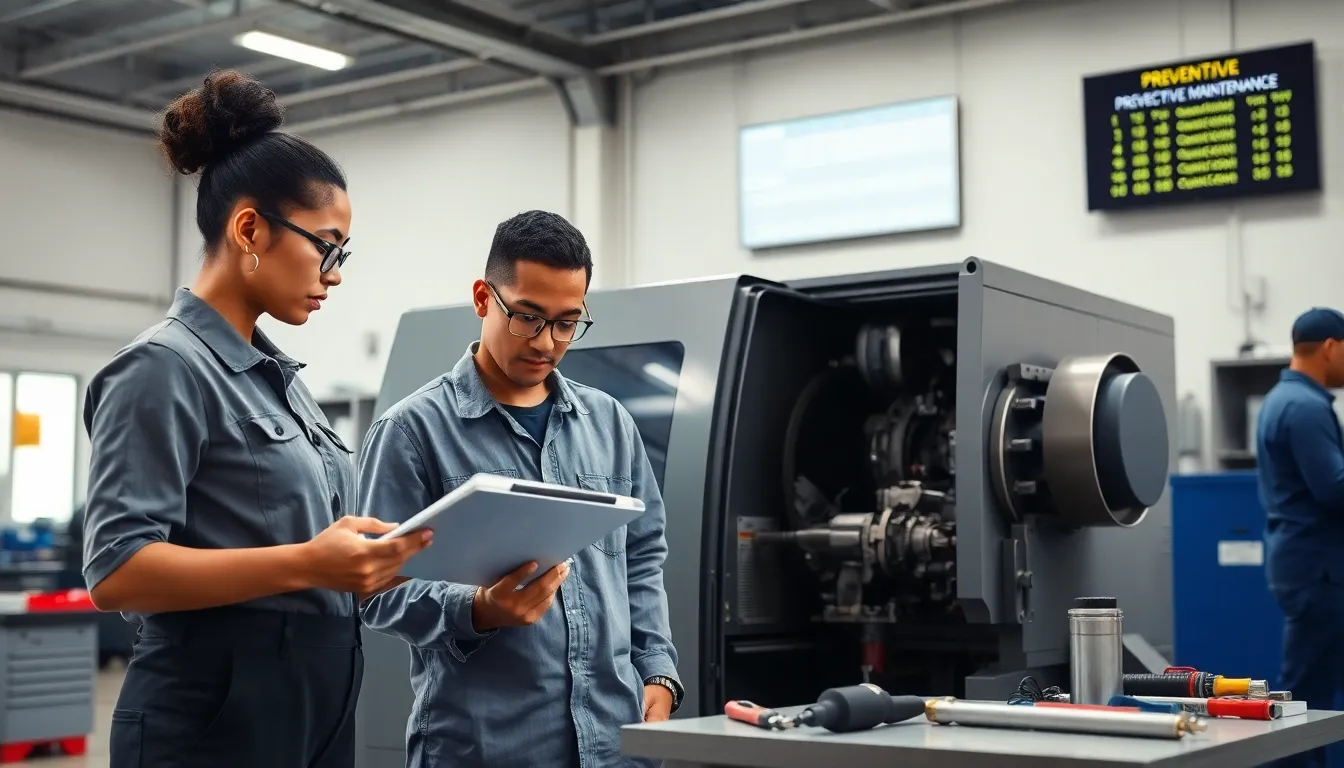
Preventive maintenance refers to the routine, scheduled servicing of machinery and equipment aimed at minimizing the risk of unexpected failures. Instead of waiting for a device to fail before taking action, organizations proactively check and maintain equipment. This approach ensures that potential issues are caught before they lead to costly downtime.
Picture a well-oiled machine (literally.), where everything functions seamlessly due to regular checks, from greasing gears to replacing worn-out parts. Whether conducted daily, weekly, or monthly, preventive maintenance is about staying ahead of the curve and ensuring smooth operations.
Benefits of Using Preventive Maintenance Checklists
Preventive maintenance checklists come packed with benefits that can transform how organizations manage their assets.
- Increased Equipment Lifespan: Regular maintenance can extend the life of machinery and reduce the likelihood of unforeseen breakdowns. Think of it as giving your equipment some TLC, prolonging its effectiveness.
- Cost Savings: By catching small issues before they snowball into major repair costs, organizations can save a significant amount of money. According to studies, preventive maintenance can reduce repair costs by as much as 30%.
- Operational Efficiency: Keeping equipment in proper working condition leads to fewer disruptions. No one enjoys halted operations, right?
- Enhanced Safety: Regular checks help identify potential hazards, making the workplace safer. When equipment is maintained correctly, the risk of accidents decreases sharply.
- Compliance and Accountability: Many industries are subject to regulations requiring routine inspections. Having a checklist ensures compliance while promoting accountability among maintenance teams.
Essential Components of a Preventive Maintenance Checklist
An effective preventive maintenance checklist should be comprehensive, clear, and easy to follow. Here are the essential components:
- Task Description: Clearly outline what needs to be done. Will workers be checking fluid levels or inspecting belts? Precision is key.
- Frequency of Tasks: Indicate how often each task should be performed, daily, weekly, or monthly, based on equipment type and use.
- Responsible Personnel: Assign specific team members to each task to ensure accountability.
- Tools and Resources: List any tools or materials needed to complete the tasks. No one wants to search for a wrench at the last minute.
- Date and Signature: Include space to document when maintenance was performed and who completed it. This keeps everyone informed and helps track compliance.
Types of Preventive Maintenance Checklists
Preventive maintenance checklists can come in various shapes and sizes depending on the industry and equipment involved. Here are a few common types:
- Routine Maintenance Checklists: These are for everyday tasks like lubricating parts, checking fluid levels, and inspecting belts. Think of it as a weekly check-in on your equipment’s health.
- Seasonal Maintenance Checklists: Designed for specific times of the year, these checklists address seasonal changes that may affect equipment performance, like winterizing a heating system.
- Equipment-Specific Checklists: Tailored for particular pieces of machinery, these checklists focus on unique requirements and maintenance tasks for each item.
- Software Maintenance Checklists: In today’s tech-savvy environment, software and firmware updates are critical. These checklists help manage necessary updates and backups for software systems.
How to Create an Effective Preventive Maintenance Checklist
Creating an effective preventive maintenance checklist doesn’t have to be rocket science. Here’s a step-by-step guide:
- Identify Equipment: Start by making a list of all machinery that requires maintenance.
- Determine Maintenance Tasks: Collaborate with technicians to outline specific tasks for each piece of equipment.
- Schedule Frequency: Based on best practices and manufacturer recommendations, decide how often each task should be performed.
- Gather Input: Consult with employees who interact with the machinery regularly. Their insights can be invaluable.
- Customize and Test: Create a draft and test it over time. Adjust the checklist based on feedback to ensure it remains relevant.
Implementing Preventive Maintenance Checklists in Your Organization
Implementing preventive maintenance checklists requires strategic planning and communication:
- Involve Key Stakeholders: Engage team members from various departments to ensure the checklist addresses all needs.
- Train Staff: Provide training sessions to explain the importance of preventive maintenance and how to use the checklist effectively.
- Use Digital Tools: Consider using software solutions that can streamline checklist management and allow for real-time updates.
- Monitor Compliance: Regularly review completed checklists to ensure adherence. Consistency is crucial for effectiveness.
- Gather Feedback: After implementation, seek ongoing feedback from staff to refine and improve the checklists.