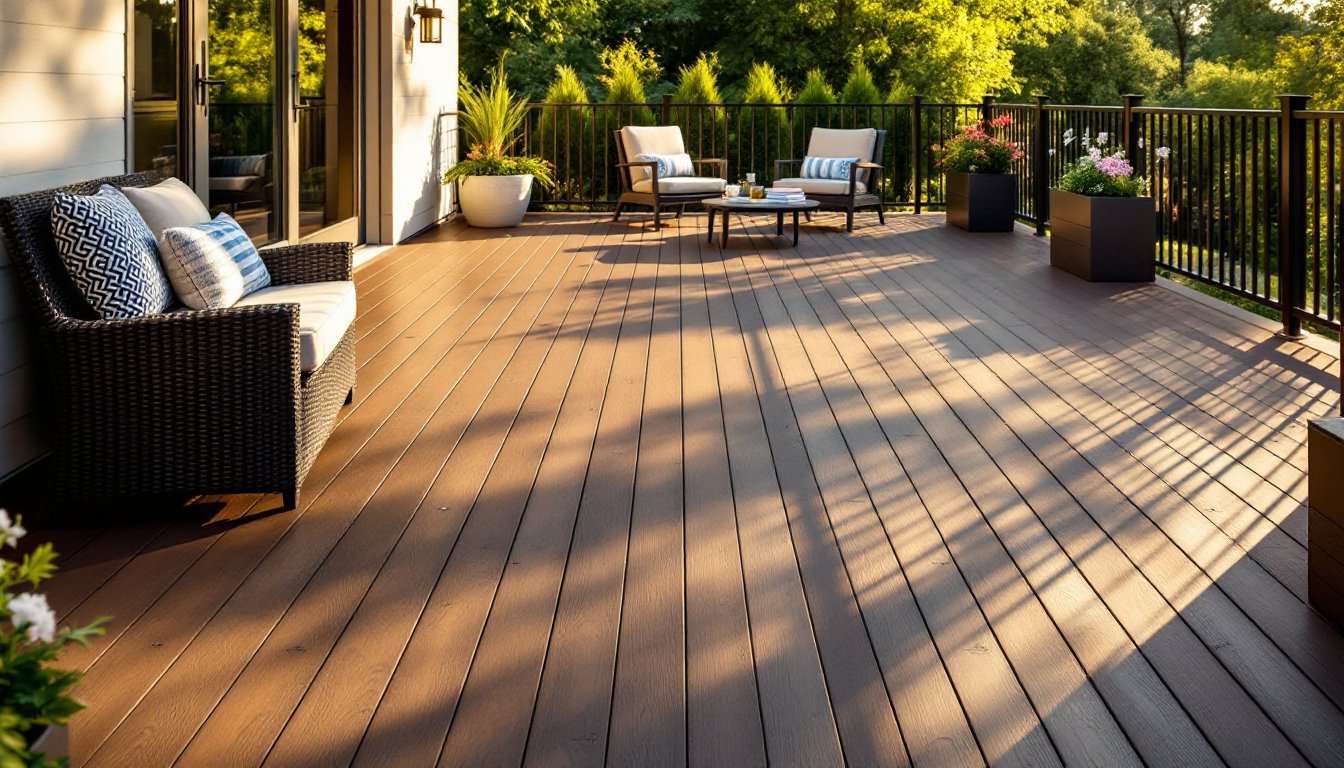
Composite decking has transformed how homeowners think about outdoor living spaces. Unlike traditional wood, composite materials blend wood fibers and plastic to create a deck surface that resists rot, fading, and the constant maintenance wood demands. Homeowners are choosing composite decking not just for durability, though that’s certainly a draw, but because it opens up genuine design possibilities. You can build a deck that looks stunning and requires minimal upkeep, whether you’re planning a sprawling entertainment space or a cozy retreat. This guide walks you through composite deck design, from material selection through layout and functional features, so you can create an outdoor room that works as hard as you do.
Table of Contents
ToggleKey Takeaways
- Composite deck design eliminates annual staining and board replacement by blending wood fibers with PVC or PE plastic, making it ideal for wet climates and high-moisture environments where traditional wood fails.
- Layout planning is critical—choose a rectangular, L-shaped, or multi-level footprint, maintain 1/8-inch board spacing for drainage, and always follow manufacturer joist spacing guidelines to prevent sagging and warranty voidance.
- Composite deck aesthetics range from grooved textured boards to hand-scraped finishes in light, mid-tone, and dark colors; full-cap boards resist UV fading and staining better and maintain color depth longer than edge-wrapped options.
- Built-in seating, storage solutions, and composite-framed planters maximize functionality on smaller decks while maintaining code-compliant railings that support 200-pound horizontal force and space balusters 4 inches apart.
- Routine maintenance requires only monthly sweeping, annual rinsing, and inspection of fasteners and railings; never exceed 3,500 PSI when pressure washing, and ensure adequate substructure ventilation to prevent moisture damage to structural posts and joists.
- A well-designed composite deck with thoughtful material selection, smart layout, and consistent upkeep delivers 20+ years of low-maintenance outdoor living that transforms how homeowners use their yards.
What Is Composite Decking and Why Homeowners Are Choosing It
Composite decking consists of wood fiber blended with polyvinyl chloride (PVC) or polyethylene (PE) plastic binders, pressed and sometimes capped with a protective shell. The result: a solid deck board that doesn’t splinter, doesn’t require annual staining, and shrugs off moisture far better than pressure-treated lumber.
The appeal is practical. Real wood decks, even well-maintained ones, develop splinters, rot in the end grain where fasteners puncture them, and fade under UV exposure. Composite decks, by contrast, hold their color far longer and resist mold and mildew growth. A composite surface needs occasional sweeping and an annual rinse with a garden hose. No sanding, no staining, no replacing rotted boards every ten years.
Where composite really shines is in wet climates or near salt water. The PE and PVC shells repel moisture that would eventually destroy wood. Performance varies by brand and capping method, some composites are capped (full shell on all sides) while others are not, which affects durability and price. Budget roughly $10 to $25 per linear foot for composite versus $5 to $15 for pressure-treated wood, but that cost delta often pays for itself over 20+ years when you factor in zero staining labor and no replacement boards.
Composite does have limits. It can soften and sag under extreme heat if poorly supported, and the upfront cost stings. Some homeowners also find the material less “warm” underfoot than wood on summer afternoons. But for decks in shaded yards, humid climates, or accessible homes where mobility matters, composite addresses real pain points.
Popular Composite Deck Design Styles and Aesthetic Options
Composite decking comes in a range of profiles and finishes that let you design a deck reflecting your home’s character. The most common profiles are grooved (with textured surface channels that mimic wood grain and improve slip resistance) and smooth or wood-grain (which resemble traditional deck boards). Some manufacturers offer reversible boards with different textures on each side.
Color and capping technique shape the final look. Solid-colored composites (reds, browns, tans) give a modern, uniform appearance, while wood-tone options range from gray weathered looks to rich chocolate browns. Full-cap composite boards (wrapped on all four sides during manufacturing) resist staining, UV fading, and mold better than edge-wrapped or uncapped boards, and they maintain color depth longer. That protection costs more upfront but pays dividends in curb appeal over a decade.
Color Palettes and Finishes
Choosing your color palette involves thinking about your home’s exterior, the surrounding landscape, and how the deck will look at different times of day. Lighter composites (grays, taupes, soft browns) create an airy feel and don’t absorb as much heat: they’re popular in warm climates. Darker composites (charcoal, espresso) add drama and hide dirt but can feel hot underfoot in full sun. A mid-tone gray composite pairs well with most architectural styles and hides wear patterns between cleanings.
Finish texture matters, too. Grooved boards feel more textured and provide better traction when wet, essential if you’re building near a pool or in a rainy region. Smooth finishes look sleeker but can be slippery when wet, so reserve them for covered decks or low-traffic areas. Many manufacturers now offer hand-scraped or distressed finishes that mimic aged wood, appealing to homeowners wanting character without the upkeep. Sites like Southern Living showcase how regional styles, think coastal cottage or Southwestern minimalism, pair certain color choices with architectural themes, giving you inspiration for matching your deck’s aesthetic to your home’s vibe.
Layout and Space Planning for Your Composite Deck
Smart layout planning is where many DIYers stumble. You can buy the best composite boards and still end up with a cramped, awkwardly proportioned deck if you don’t measure and plan first.
Start with your footprint. Most decks fall into one of three shapes: rectangular (simplest to build, most efficient use of materials), L-shaped (adds visual interest and separates zones like dining from lounging), or multi-level (more complex but creates dynamic outdoor “rooms”). A rectangular deck 12 feet wide by 16 feet deep suits most residential backyards and accommodates both a dining table and seating area without feeling oversized.
Account for board spacing and run direction. Composite boards need to be spaced apart to allow airflow and water drainage, typically 1/8 inch between boards to prevent moisture trapping. Boards running lengthwise (parallel to the house) make a deck feel longer: running perpendicular makes it appear wider. Diagonal patterns add visual pop but waste material and are more labor-intensive to cut and install.
Joist spacing varies by manufacturer and board thickness. Standard spacing is 12, 16, or 24 inches on center, tighter spacing prevents sagging under weight. Always consult your composite manufacturer’s installation guidelines: spacing too far apart will void warranties. Build a scale floor plan (graph paper or design software) before ordering materials, accounting for step locations, railing posts, and any built-in features. Pressure-treated joists, posts, and rim boards remain the structural skeleton: most deck failures stem from structural rot at the foundation, not the composite surface. Ensure your joists meet local IRC (International Residential Code) requirements for your climate zone and snow load, and verify whether your project needs a building permit. Composite deck construction itself typically doesn’t require special permits beyond standard deck codes, but structural calculations do.
Functional Features That Enhance Your Deck’s Purpose
A well-designed composite deck does more than sit there and look good, it earns its square footage by hosting the activities you actually do outdoors. Functional planning transforms a deck from a nice view into an outdoor room.
Consider how you’ll use the space. Do you entertain crowds? Build an island counter or continuous bench along the railing. Do you grill? Locate the deck so the grill isn’t downwind of the seating area, and leave clearance for propane tank swaps. Do you have young kids or pets? Think about railing height, gaps that small feet could slip through (balusters must be spaced max 4 inches apart per code), and whether a slightly textured composite is worth the extra friction for safety.
Deck shape and feature zones matter. A 16-by-18-foot deck easily divides into a dining zone (8-by-10 feet for a table) and lounge zone (8-by-8 feet of comfortable seating). Recessed lighting in composite boards, increasingly common now, sets mood and improves nighttime safety without adding bulk. Skirting (lattice or composite panels below the deck) hides the substructure, reduces pest access, and makes a deck feel more intentional.
Built-In Seating and Storage Solutions
Built-in seating and storage are game-changers on smaller decks. Composite boards can be wrapped around the deck perimeter to create an integrated bench with hidden storage underneath, perfect for pool toys, cushions, or grilling tools. These benches typically sit 18 inches high and 16 inches deep, matching standard furniture proportions. Storage access is simple: piano hinges and a recessed pull allow lids to flip open. You don’t need a permit for built-ins: they’re considered furniture, not structural modifications.
Built-in planters also add function and softness. A row of composite-framed planter boxes along one edge creates a privacy screen, defines space, and gives you room for shrubs or seasonal flowers without cutting into seating. Size them roughly 24 inches wide by 12 inches deep, large enough to support perennials but not so massive they dominate the deck. The installation process for these features involves frame construction (standard lumber fastened to the composite deck surface with stainless-steel fasteners, which resist corrosion better than galvanized) and then finishing edges and access with composite trim. Resources like Fine Homebuilding’s composite decking installation guide walk through fastening composites and integrating custom features. Railing code is non-negotiable: balusters, posts, and rails must support a 200-pound horizontal force per the IRC, and railings themselves must be 36 to 42 inches high depending on local code. Don’t skip or fudge this, a railing failure puts liability squarely on your shoulders.
Maintenance and Long-Term Care Tips
The “low-maintenance” promise of composite decking is real, but it’s not “no-maintenance.” A few simple habits extend your deck’s life and keep it looking sharp.
Routine care is straightforward. Sweep debris monthly to prevent mold spores and leaves from sitting on the surface. Rinse with a garden hose annually or after heavy rain in wet climates. If you see stains, from tree sap, rust (usually from metal furniture legs), or mildew, clean with a soft-bristle brush and mild soap. Never use a pressure washer above 3,500 PSI on composite: high pressure can gouge the surface. For stubborn algae in shaded, humid areas, a mix of one part household bleach to three parts water, applied and rinsed within 10 minutes, works without damaging the board.
Seasonal prep prevents bigger headaches. Before winter, clear gutters and drainage around your deck so water doesn’t pool. In spring, inspect fasteners (stainless steel or composite-grade hardware only, regular galvanized steel fasteners will rust through composite over time). Check railings and posts for movement: a slight wobble might mean fasteners need tightening. If you notice cracking or splintering on board edges, sand lightly and touch up with composite edge filler, cheap insurance against moisture intrusion.
Long-term considerations: Composite doesn’t rot, but it can fade. UV-resistant coatings help, but even capped boards will lighten over 10–15 years, especially in full sun. This is aesthetic, not structural, but it’s worth knowing. Some homeowners sand a light-traffic area every few years to restore color, though this requires care not to damage the cap. Board replacement is rare but possible if a single board cracks or sustains irreparable damage: you’ll need to unscrew fasteners and slide the board out from under railings or trim, then slide a new one in. Most composite manufacturers warrant their boards for 20+ years against rot and manufacturer defects, though color fade and wear are often excluded, read your warranty fine print.
One often-overlooked step: ventilation. Ensure your deck’s substructure has airflow, at least 6 inches of clearance below joist level and adequate cross-ventilation. Moisture trapped under the deck accelerates rot in the structural posts and joists, even though the composite surface itself resists water. Perimeter vents or gaps prevent standing water and extend your deck’s structural life significantly. Design features like built-in storage should include drainage openings or slats to allow airflow underneath cushions or stored items.
Bringing It All Together
Designing a composite deck comes down to matching material performance with your real-world needs and committing to basic upkeep. The color palette, layout, and functional features you choose today shape how you’ll actually use your outdoor space for the next 20 years.
Start by walking your yard at different times of day, morning light, afternoon heat, evening shade. Note where you naturally congregate, where water pools, and which views matter most. Then map out a layout that honors those patterns. Choose a composite profile and color that suits your climate and home’s aesthetic, opt for full-cap boards if budget allows, and don’t scrimp on structural posts and joists, that’s where real durability lives. Add functional features thoughtfully: built-in seating, lighting, or privacy planters that serve a purpose, not just decoration. Finally, commit to the maintenance rhythm, monthly sweeps, annual rinses, spring inspections. A composite deck designed well and cared for properly becomes that outdoor room that transforms how you live at home. Western design inspiration from sites like Sunset can help you visualize how your deck connects to your overall outdoor living vision. The investment pays dividends in time reclaimed and memories made.