A cramped bathroom doesn’t have to stay cramped. Whether you’re working with a 5-by-8-foot powder room or a narrow galley layout, smart design decisions can transform the space into something functional and even visually spacious. The key is prioritizing what matters most, storage, lighting, and visual continuity, then making strategic choices about fixtures, finishes, and layout. This isn’t about trying to fit a spa into a closet: it’s about honest design that respects your square footage and makes every element earn its place. The strategies below come from real constraints and real solutions that homeowners and DIY enthusiasts have tested.
Table of Contents
ToggleKey Takeaways
- Assess your space first by measuring dimensions, ceiling height, and identifying structural constraints—small bathroom design success starts with honest planning, not forcing features.
- Prioritize smart storage solutions like recessed shelving, wall-mounted vanities, and vertical storage to maximize functionality without eating floor space.
- Design for small bathrooms requires strategic lighting (fixtures above mirrors, dimmers, or LED strips) and light, neutral colors with optional accent walls to amplify perceived space.
- Choose appropriately-scaled fixtures—wall-mounted vanities (30-48 inches), round-bowl toilets, and frameless glass enclosures—that fit your space rather than dominate it.
- Amplify light and visual depth using large mirrors opposite windows or light sources, reflective tile finishes, and glossy paint to create an open, intentional feel.
- Focus on doing a few things well rather than cramming in every feature; the best small bathrooms prioritize your non-negotiables and make every element earn its place.
Assess Your Space and Set Priorities
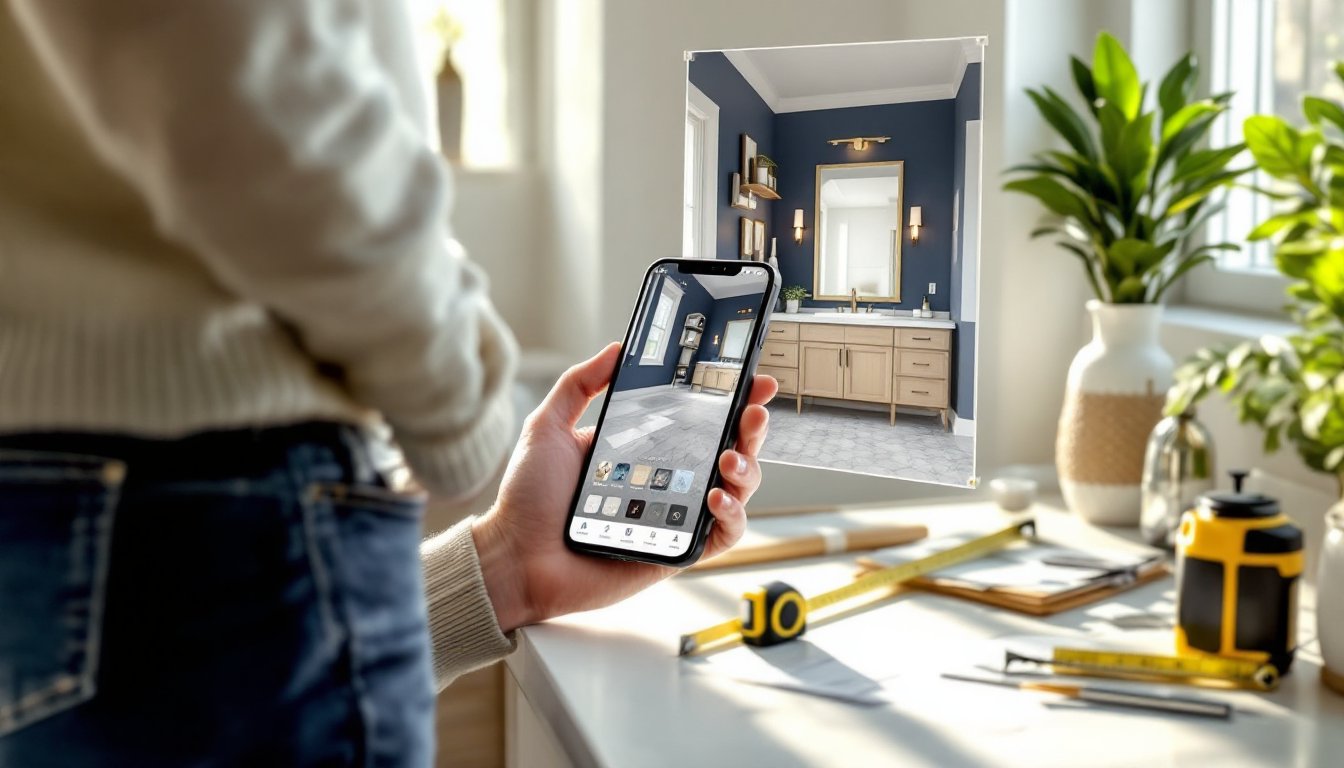
Before picking tile or paint, measure your bathroom and document what you actually need. Pull out a tape measure, note the wall length and height, and mark where plumbing and electrical outlets sit. A typical half-bath is around 35–40 square feet: a full bath might be 40–70 square feet. Small bathrooms aren’t automatically bad, they’re just less forgiving of poor planning.
Walk through a realistic day: Do you share it with a partner? Does someone need accessibility features? Will you store a lot of products, or just the essentials? Your answers determine priorities. If two people use it at once, counter space and storage matter more than a large vanity you can’t fit anyway. If you’re the only user, you might prioritize a quality shower or tub over redundant storage.
Measure ceiling height too. A 7-foot ceiling feels taller than it is when you avoid horizontal clutter. Note any structural quirks, sloped walls, a window that blocks storage, a door that swings inward and eats space. These aren’t deal-breakers: they’re just constraints you design around, not against. Write these down so you stay grounded when making material choices.
Choose Smart Storage Solutions
Storage failure is the number-one complaint in small bathrooms. Toothbrushes, towels, medications, and cleaning supplies pile up fast. Rather than trying to hide everything, choose visible storage that doesn’t feel cluttered.
Recessed shelving and niches carved into the wall between studs give you storage without eating floor space. A standard 2×4 stud cavity provides roughly 3.5 inches of depth, enough for most toiletries, a small plant, or folded hand towels. If you’re renovating to the studs, this is free real estate.
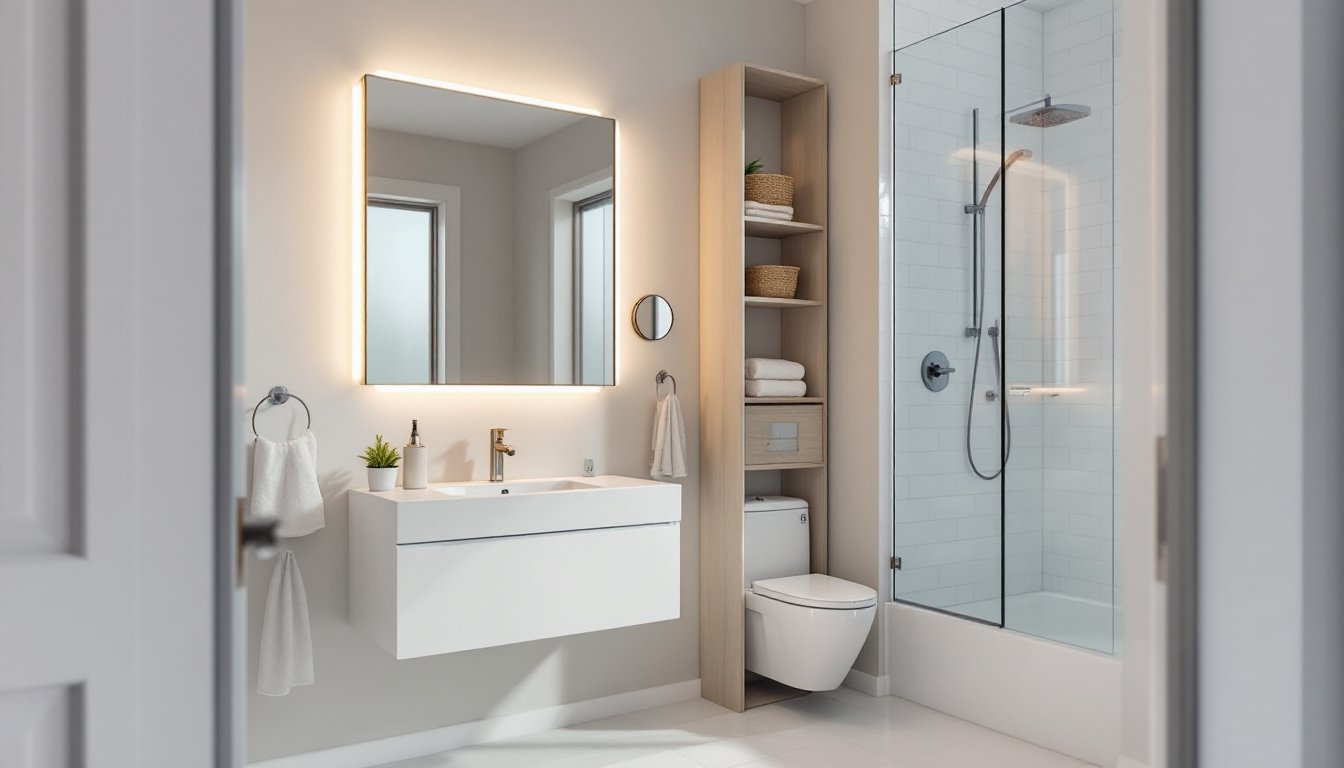
Wall-mounted vanities free up floor space compared to traditional pedestal or vanity-base models. A floating vanity mounted to studs (not drywall anchors, which won’t hold weight) creates the illusion of more floor, crucial in a tight space. Pair it with open shelving above for a balanced look that doesn’t feel cramped.
Belowthe vanity, choose a cabinet with doors rather than open shelving if you’re storing supplies you’d rather not see daily. A cabinet with soft-close hinges and pull-out drawers maximizes access in tight quarters, you don’t need a full-width pull-out for a 24-inch vanity, but a sliding tray for daily items beats rooting around inside.
Vertical Storage and Wall-Mounted Options
Walls are your underutilized asset. A corner shelf unit (12–15 inches deep) captures wasted corner space without blocking the toilet or tub. Over-the-toilet shelving works if your toilet isn’t directly adjacent to the shower or if you pick a sturdy, properly anchored unit. Cheap ones wobble and look worse than nothing.
Tall, narrow cabinets (24 inches wide, floor-to-ceiling) next to the vanity maximize vertical real estate. This is where your towel bar and spare rolls live. If space allows, a linen tower (12 inches wide, 72 inches tall) costs less than a full vanity and handles most storage needs.
Wall hooks and rails work for frequently used items: a hand towel bar, a robe hook, a shelf for a small basket. Don’t mount them above the sink unless you’re okay with splashes: mount them on the door or side wall instead. A simple towel ladder (leaning or wall-mounted) holds linens and adds visual interest without requiring studs.
Label or group items if you’re using open shelving. A small woven basket for hair products, a clear container for medications, visual order feels less cluttered than a jumble.
Optimize Lighting and Color Selection
Lighting makes or breaks a small bathroom. A single overhead fixture casts shadows under your chin and cheeks, not great if you’re getting ready. Install a light fixture above the mirror (4–6 inches above the frame, centered) to illuminate your face directly. Add a dimmer switch so you can adjust brightness for different moods and times of day.
If ceiling height allows (7 feet or more), a small recessed light on either side of the mirror works too, though this requires new wiring and potentially permits if you’re opening walls. For renters or quick updates, LED strip lighting mounted above or behind the mirror is plug-in and doesn’t require electrical work. It’s cheaper than expected and makes the space feel intentional.
Color strategy is underrated in small bathrooms. Light, neutral walls (white, soft gray, pale beige) reflect light and feel spacious. But light doesn’t mean boring, a soft warm white (2700K color temperature) is more flattering and restful than harsh cool white (5000K+). If you want personality, paint one accent wall (behind the toilet or vanity) a deeper color, navy, sage green, or terracotta. Keep the opposite wall and ceiling light.
Glossy or semi-gloss paint finishes reflect light better than flat: they’re also easier to wipe down in a moist bathroom environment. Consider moisture-resistant paint rated for bathrooms, especially if ventilation is weak. A coat of primer on existing surfaces ensures better adhesion.
Tile selections matter too. Large format tiles (12×24 inches) with fewer grout lines feel less busy than small tiles and can visually expand the space. Light colors still work best, but a monochromatic pattern (white subway tiles with gray grout) or a subtle texture reads as sophisticated rather than bland. Save bold patterns for a small accent wall or floor: a patterned floor in a closet-sized bathroom can feel frenetic.
Select Fixtures That Fit Your Space
Fixture scale is critical. A pedestal sink looks vintage and takes up visual floor space: a wall-mounted vanity with a modest width (30–36 inches) offers storage and feels lighter. If you need counter space for daily items, go 36–48 inches wide if the wall allows. Anything wider starts to dominate a small bathroom.
For toilets, standard models (around 30 inches long, 27 inches deep) are standard. A round bowl uses less depth than an elongated bowl, useful in tight layouts where the toilet is close to the wall or tub. Soft-close lids cost a bit more but reduce slamming noise, a real benefit in shared bathrooms.
Tub or shower? This depends on your needs and available space. A standard alcove tub (5 feet long, 30 inches wide) fits most bathrooms but takes up real estate. A corner soaking tub (4–5 feet) uses unused corner space. If you prefer showers, a walk-in shower with a low curb or threshold (or a barrier-free floor-level option) feels more open than a tub-shower combo. A frameless glass enclosure exposes the tile and makes the space feel larger than a tub with a shower curtain.
Faucet style matters less than functionality. A single-handle faucet is easier to operate in a tight vanity than a widespread model with separate hot and cold handles. For a wet bathroom (shared or high-humidity), choose brass or stainless steel over chrome or nickel, they hold up better to corrosion.
Mirror size is a subtle amplifier. A large mirror (24 inches wide, stretching toward the ceiling) visually doubles the perceived depth of the room. A medicine cabinet with a mirror is practical if you avoid mounting it above a humid area (directly above the tub or shower): steam promotes rust and mirror clouding.
Create Visual Flow With Mirrors and Reflective Surfaces
Mirrors aren’t just functional, they’re a design tool. A large mirror opposite a window bounces natural light around the room. If you don’t have a window, place a mirror opposite a strong artificial light source (the vanity light) to amplify the effect.
Beyond the vanity mirror, a second mirror on an adjacent wall adds depth without feeling redundant. This doesn’t need to be huge, a 18–20 inch round or rectangular mirror works. Avoid a mirrored wall (full coverage), which can feel disorienting and is harder to clean without showing fingerprints.
Reflective tile finishes (glazed ceramic, polished porcelain, or subtle glass accents) bounce light naturally. A single accent area of metallic or iridescent tile (behind the toilet, one wall of the shower enclosure) catches light and adds visual interest without overwhelming a small space. Matte finishes are current, but they absorb light: pair matte walls with one glossy focal point.
Stainless steel or chrome accessories, towel bars, shelving brackets, faucets, reflect light and feel intentional. They’re easier to keep looking clean than oil-rubbed bronze or matte black in a damp environment (though both work if you’re meticulous about drying them after showers).
Glass shelving or glass-front cabinets show what’s inside without darkening the room. This works well for storing folded linens or neatly organized products you actually want visible. Avoid cluttered open shelves: a few intentional items (a candle, a small potted plant, rolled towels) look curated. Consult design resources like Remodelista’s bath guide or Houzz’s bathroom gallery for inspiration on reflective materials and finishes that work in tight spaces. Apartment Therapy’s small space articles also offer practical approaches to maximizing every corner.
Conclusion
Small bathroom design isn’t about cramming in features or pretending the space is larger than it is. It’s about clarity: knowing your non-negotiables, choosing fixtures and finishes that scale appropriately, and using light and reflective surfaces to make the room feel intentional rather than tight. Start with your priorities, plan your storage first, and let lighting and color choices reinforce a sense of openness. The best small bathrooms aren’t the ones that try to do everything, they’re the ones that do a few things well and honestly.