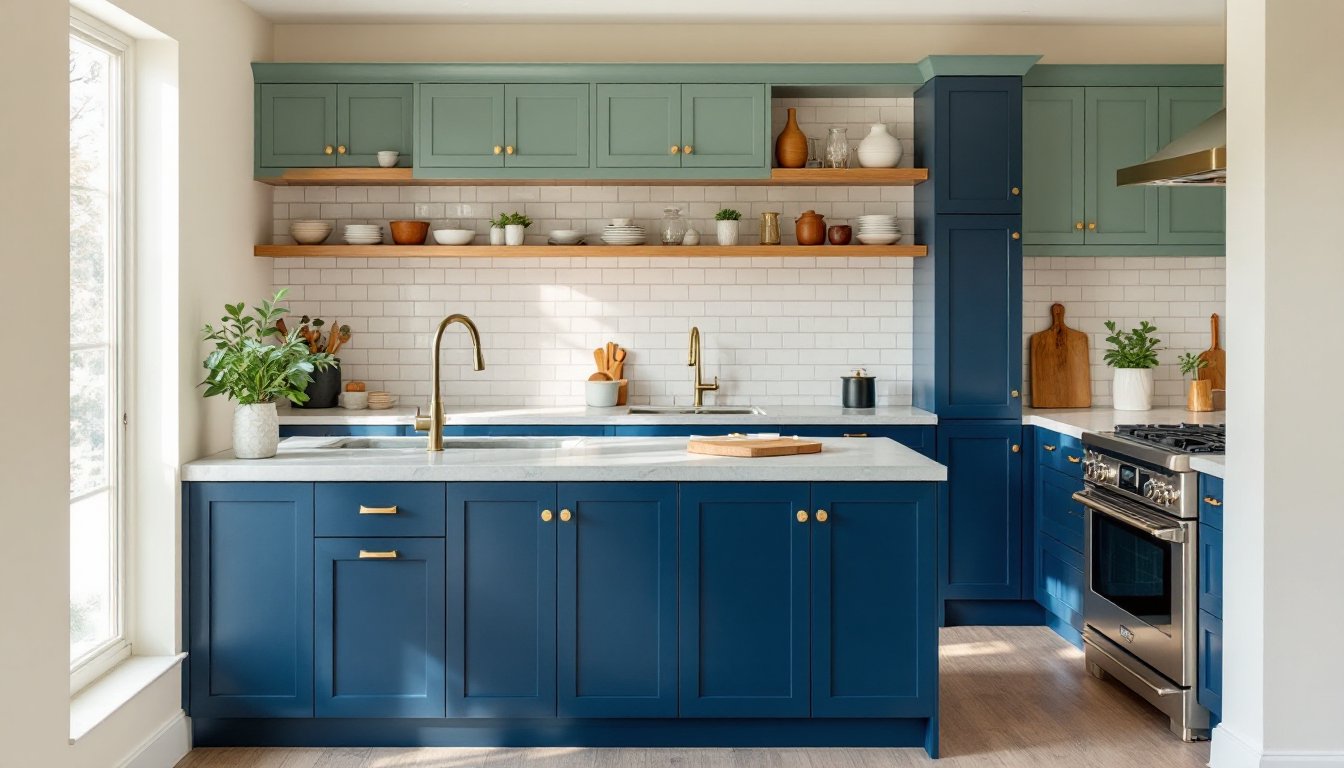

When you’re planning a serious kitchen renovation, especially one involving commercial-grade equipment, complex layouts, or a home-based food business, the difference between a stunning, functional space and a costly mistake often comes down to one decision: hiring the right consultant. A commercial kitchen design consultant brings expertise in code compliance, workflow optimization, and equipment integration that goes far beyond standard interior design. Whether you’re dreaming of a chef’s kitchen with professional-grade appliances or setting up a licensed catering operation from home, understanding what these specialists do and how to find one can save you thousands in rework and headaches down the line.
Table of Contents
ToggleKey Takeaways
- A commercial kitchen design consultant ensures code compliance, workflow optimization, and equipment integration that prevents costly mistakes and rework during renovation projects.
- High-end home kitchens with professional-grade appliances and licensed food businesses require a commercial kitchen design consultant to navigate complex building codes, permits, and health department regulations.
- Look for consultants with NKBA certifications (CKD/CBD), relevant portfolio experience, proven code knowledge, and modern CAD/3D design software capabilities to ensure thorough planning and visualization.
- The typical consultation process spans 4–8 weeks, including initial consultation, site survey, concept design options, detailed CAD specifications, and ongoing permit and contractor coordination.
- Investing $3,000–$7,000 in a qualified commercial kitchen design consultant typically delivers better code vetting, problem-solving, and project coordination than cheaper alternatives, saving thousands in construction conflicts and compliance issues.
What Does a Commercial Kitchen Design Consultant Do?
A commercial kitchen design consultant is part engineer, part designer, and part code interpreter. Unlike a general interior designer, they specialize in the technical requirements of high-performance kitchens. Their job includes:
- Space Planning and Workflow: Consultants analyze how your kitchen will actually be used, prep zones, cooking stations, plating areas, dishwashing, and arrange equipment to minimize wasted steps and maximize efficiency.
- Equipment Specification: They recommend the right commercial appliances for your needs, ensuring proper sizing, power requirements, ventilation, and placement. A residential range and a commercial convection oven aren’t interchangeable, and they’ll know the difference.
- Building Code Compliance: Commercial kitchen codes (typically IRC or local variants) govern everything from counter heights to grease trap sizing to ventilation CFM ratings. A consultant ensures your design meets these standards before contractors break ground.
- Utility Planning: They’ll coordinate with electricians and plumbers to ensure adequate gas lines, water supply, drainage, and electrical capacity, critical for preventing mid-project surprises.
- Budget and Timeline Management: A good consultant helps you prioritize spending and creates a realistic phasing plan, especially if you’re working in a residential space with constraints.
In short, they translate your vision into a buildable, code-compliant, and operational design.
Why You Might Need a Commercial Kitchen Design Consultant
Not every kitchen remodel needs a commercial consultant, a standard residential kitchen refresh can work fine with a general contractor and designer. But certain projects absolutely benefit from the expertise.
For High-End Home Kitchens and Custom Builds
If you’re installing a Sub-Zero refrigerator, a commercial-style range with a hood system, or a custom island with a prep sink and wine cooler, you’re operating in territory that straddles residential and commercial. A consultant can design layouts that accommodate these premium appliances while staying true to your home’s footprint and meeting local codes. They’ll ensure your island can handle the electrical load and that your ventilation system properly sized for a professional-grade cooktop (typically requiring 600–900 CFM, not the 300 CFM a standard range hood provides).
They also coordinate with architects and electricians early, preventing the common mistake of planning a beautiful kitchen only to discover you can’t legally install the equipment you want. Resources like Houzz’s commercial kitchen consultant directory can connect you with designers experienced in high-end residential builds.
For Restaurant or Catering Home Operations
Running a licensed commercial kitchen from your home (a cottage food operation or catering business) is heavily regulated. Your consultant will navigate these requirements:
- Separate entrance (usually required for commercial operations)
- Health department permits and food handling zones
- Grease traps and specialized drainage
- Commercial-grade dishwashing (typically 180°F sanitization cycles)
- Handwashing stations positioned away from food prep (per health code)
This is not optional or approximate, violations can shut down your business and trigger fines. A consultant ensures your home kitchen legally functions as a commercial space.
Key Qualifications and Credentials to Look For
Not all consultants are equally qualified. When vetting candidates, prioritize these credentials and experience:
Professional Certifications
- Certified Kitchen Designer (CKD) or Certified Bathroom Designer (CBD): Awarded by the National Kitchen & Bath Association (NKBA), these indicate formal training in design, building codes, and project management.
- LEED or green building certification: Useful if sustainability matters to you.
Relevant Experience
- Look for portfolios showing commercial kitchen projects or high-end residential builds with commercial elements. Ask how many projects they’ve completed and request references from recent clients.
- Ensure they have experience in your specific project type (restaurant, catering, home chef’s kitchen) and have worked in your region (codes vary significantly).
Code Knowledge
- A good consultant should speak fluently about ICC (International Code Council) standards, local health department requirements, and ADA accessibility if relevant. If they’re vague about codes, move on.
- They should carry professional liability insurance, a safeguard that they take compliance seriously.
Design Software and Visualization
- Modern consultants use CAD or 3D design tools (SketchUp, AutoCAD, or specialized kitchen design software). This lets you preview the layout before construction starts, catching issues early.
Don’t just go with the cheapest quote. A consultant charging $3,000–$7,000 for a full design typically delivers more thorough code vetting and coordination than someone at $500. Ask what’s included: site visits, permit drawings, equipment specs, and contractor coordination vary widely.
The Consultation Process: What to Expect
A professional commercial kitchen consultation follows a structured process, typically spanning 4–8 weeks from initial contact to final design approval.
Initial Consultation (1–2 hours, often free or low-cost)
You’ll meet (in person or via video) to discuss your goals, budget, timeline, and the physical space. Bring photos, measurements, and any appliance wish lists. The consultant will ask probing questions: How many people will cook? What’s your workflow priority, speed or flexibility? What’s your electrical panel capacity? These answers shape everything downstream.
Site Survey and Measurements (1–3 hours)
The consultant visits your home and takes precise measurements (to the inch), photos, and utility locations. They’ll check ceiling height, electrical panel location, gas and water supply points, and existing ventilation. This is non-negotiable, guessing on measurements is how designs fail on-site.
Concept Design and Proposal (1–2 weeks turnaround)
You’ll receive preliminary layouts (usually 2–3 options) showing equipment placement, workflow, and zoning. Reviews like those on Angi can help you understand typical timelines and consultant expectations in your area. At this stage, you might revise: “I want the prep sink closer to the cooktop” or “Can we fit a second refrigerator?”
Detailed Design and Specifications (2–3 weeks)
Once you’ve approved a concept, the consultant creates full CAD drawings with equipment callouts, electrical loads, plumbing runs, ventilation specs, and any permit-required documents. You’ll review these in detail, it’s your last chance to catch issues.
Permit Support and Contractor Coordination (ongoing)
Many consultants help submit permit drawings and coordinate with your general contractor, electrician, and plumber to ensure the design is built as intended. This handoff is critical: a great design means nothing if it’s installed incorrectly.
Throughout, expect 3–5 rounds of revisions. Be prepared to discuss budget trade-offs: high-end appliances, custom cabinetry, and commercial-grade finishes add cost quickly. A good consultant helps you prioritize, ensuring money goes where it matters most for your use case.
Conclusion
Hiring a commercial kitchen design consultant is an investment in a space that functions, complies with code, and serves your needs for years. Whether you’re building a showpiece chef’s kitchen or a licensed home food business, the right consultant saves you money and stress by solving problems before they become construction headaches. Start by clarifying your project scope, checking credentials and references, and ensuring they have experience with projects like yours. The difference between a mediocre kitchen and an exceptional one often comes down to thoughtful design, and that’s what a specialist brings to the table.