Creating a cozy bedroom retreat is one of the most rewarding DIY projects a homeowner can undertake, and it doesn’t require major renovations or a contractor’s budget. A bedroom should be a sanctuary where stress melts away and rest comes naturally, yet many people overlook the key elements that transform a bedroom from merely functional to genuinely inviting. The difference between a plain bedroom and a cozy retreat lies in thoughtful choices around lighting, color, texture, and organization. Whether you’re starting from scratch or refreshing a tired space, this guide walks you through the practical steps to design a cozy bedroom that feels like a hug at the end of each day.
Table of Contents
ToggleKey Takeaways
- Warm-white lighting (2700K) with dimmers and layered fixtures is the foundation of cozy bedroom design, creating ambiance without harsh overhead lights that disrupt sleep.
- Choose a calming color palette of neutrals, soft grays, muted earth tones, or greige and test paint samples on walls at different times of day before committing.
- Layer textures through soft rugs, throw blankets, padded headboards, and quality 400–600 thread count cotton or linen bedding to envelope the space in tactile comfort.
- Minimize clutter by decluttering ruthlessly, using hidden storage solutions like under-bed bins and floating shelves, and keeping nightstands intentionally sparse for a calm environment.
- Incorporate natural elements such as low-maintenance plants (pothos, snake plant, peace lily) and wood furniture to add warmth and life without demanding maintenance.
- Invest in quality pillows and weighted throw blankets that conform to your body and provide documented calming effects, transforming both sleep quality and the room’s overall feel.
Start With Soft, Warm Lighting
Lighting is the foundation of coziness, harsh overhead fixtures and cool-white bulbs kill any chance of warmth. Strip out those standard ceiling panels and replace them with warm-white LED bulbs rated 2700K (warm white) or lower. Install a dimmer switch on your main light fixture: this is straightforward wiring work if you’re comfortable with electrical basics, though some jurisdictions require a licensed electrician for switch installation, check local codes.
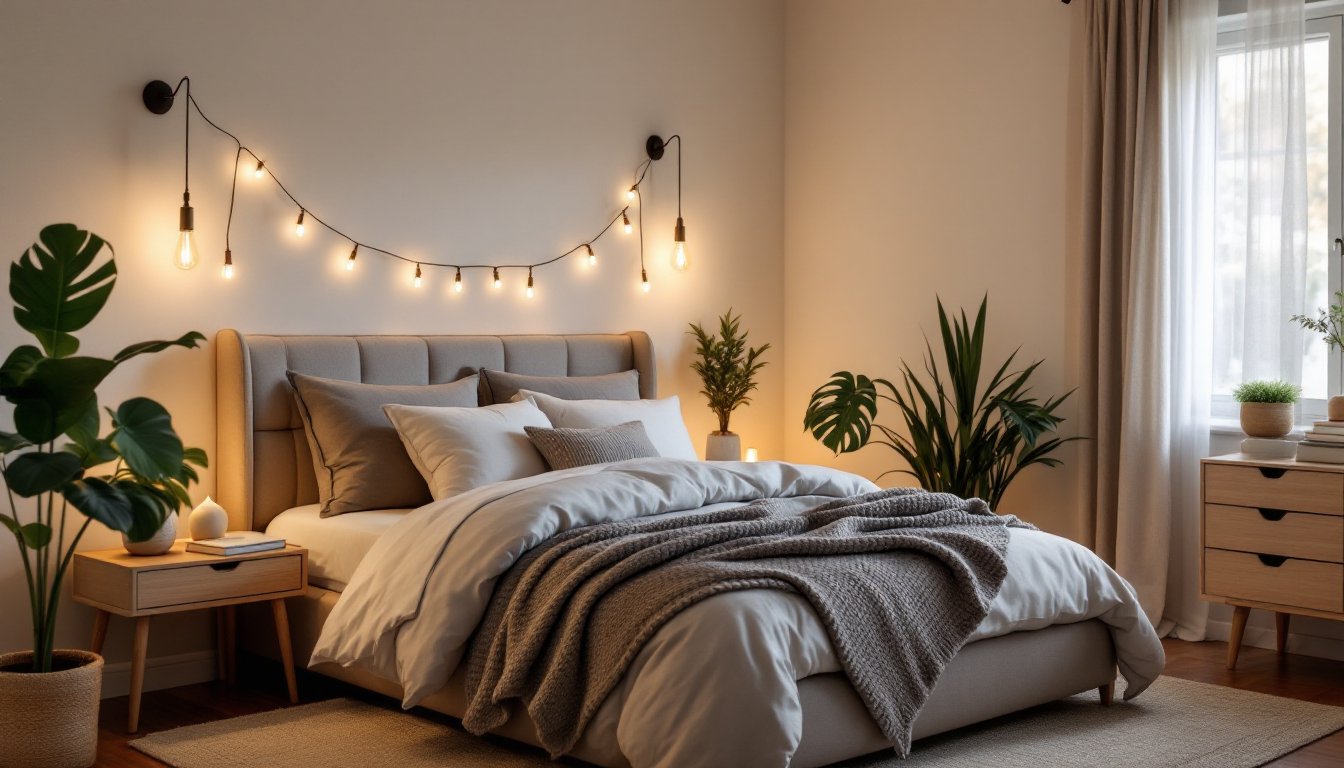
Layer your lighting for flexibility. A bedside lamp with a linen shade diffuses light softly and gives you task lighting for reading. Add wall sconces on either side of the bed (or one if space is tight) for ambient glow without clutter on a nightstand. Battery-operated fairy lights or warm-white string lights strung along a headboard or window frame add playful warmth without any hardwired installation. Avoid bright, white light two hours before bed: it suppresses melatonin and defeats the purpose of a cozy retreat. Consider a 3-way bulb in your bedside lamp so you can adjust brightness as the evening progresses.
Choose a Calming Color Palette
Color psychology matters in a bedroom. Neutrals, warm whites, soft grays, beige, taupe, and pale greige (gray-beige hybrid), form a restful base that doesn’t overstimulate. If you want color, think muted earth tones: dusty sage green, soft terracotta, warm chocolate brown, or pale dusty blue. These shades signal calm without the punch of bright accent colors.
When selecting paint, buy sample quarts and test on your wall. Paint a 2×2-foot swatch and observe it at different times of day: north-facing rooms look cooler, south-facing warmer. Warm-white or warm-gray walls work best with soft furnishings to amplify coziness. Keep accent walls minimal, a single feature wall behind the bed can work if painted in a slightly deeper version of your palette. Most homeowners find a monochromatic approach (one color family in varying shades) more soothing than multiple colors. Use matte or eggshell finish paint rather than glossy: matte absorbs light and feels softer.
Layer Textures and Soft Furnishings
Coziness lives in texture. A bedroom needs visual and tactile variety to feel inviting, not sterile. Start with a soft area rug (wool, jute, or a blend) anchoring the foot of the bed or the seating area: this absorbs sound and adds warmth underfoot. Layer throw blankets in different fabrics, chunky knit, linen, velvet, or faux fur, draped over the bed frame or a seating area.
Add a padded headboard or cushioned wall panels behind the bed: these absorb sound and create a focal point that feels luxurious. Toss in decorative pillows in complementary textures: linen, cotton sateen, velvet, or wool. Mix patterns subtly, one patterned pillow among solids, not five competing patterns. A low-pile carpet or rug in a neutral tone adds softness: avoid high-pile which traps dust and feels less clean. Heavy linen or thermal blackout curtains (if you prefer darkness) or semi-sheer curtains layered with a roman shade add softness and control light without the harsh look of mini blinds. The goal is to envelope the space in soft, varied textures that invite touch and relaxation.
Invest in Quality Bedding and Pillows
Your bed is the centerpiece, so quality bedding justifies the spend. 100% cotton sheets (Egyptian cotton or Pima for durability and softness) with a high thread count (400–600 is ideal: higher counts often deceive) feel better and last longer than budget options. Linen sheets, though pricier and requiring extra laundering, grow softer and more comfortable with age. Avoid polyester blends: they trap heat and feel plastic-y.
A quality down or down-alternative comforter provides warmth without weight. Down breathes better than synthetic fills and lasts 10–15 years if cared for properly. Down-alternative works for allergy sufferers and costs less. Layer a lightweight cotton or linen duvet cover over it for easy washing and style flexibility. Pillows matter tremendously. Memory foam, latex, or quality down pillows conform to your head and neck without going flat after a few months like cheap pillows do. Buy at least two high-quality pillows and consider a third for reading or sitting up. A weighted throw blanket (10% of body weight is standard) adds sensory comfort and has documented calming effects. All of this transforms sleep quality and the overall feel of the space.
Add Natural Elements and Plants
Living plants bring life and air purification to a bedroom. Low-maintenance options like pothos, snake plant, peace lily, or ZZ plant thrive in low to medium light and tolerate inconsistent watering. Avoid high-maintenance tropical plants that demand humidity: they create stress, not coziness. A single large floor plant in a neutral ceramic pot near a window or corner adds visual interest without clutter. Group 2–3 smaller potted plants on a shelf or nightstand for a nature-inspired vignette.
Natural materials amplify coziness. Wood furniture, a reclaimed or natural wood nightstand, bed frame, or dresser, adds warmth that metal or white laminate can’t match. Rattan or woven baskets tucked under shelves or in corners are both decorative and functional. A cotton or linen wall hanging adds organic texture without the mess of a full gallery wall. Fresh flowers in a simple glass vase (changed weekly) cost little and brighten the mood. Natural light is equally important: keep windows clear or use sheer curtains to maximize daylight, which boosts mood and makes the space feel more inviting during waking hours.
Minimize Clutter and Optimize Storage
A cluttered bedroom can’t feel cozy, no matter how soft the textures are. Clutter creates visual noise and stress. Start with an honest purge: donate or discard anything you don’t wear, use, or love. Apply the one-year rule, if you haven’t used it in a year, it goes. A cozy bedroom has breathing room.
Optimize storage so essentials are hidden. Install floating shelves above a dresser or desk for books and decor (keep items minimal and purposeful). Use under-bed storage bins for seasonal items, extra pillows, or blankets: label them so you know what’s inside. A low dresser, nightstand with drawers, or a storage bench at the foot of the bed keeps clothing and accessories out of sight. Limit nightstand clutter to a lamp, a book, a glass of water, and maybe a candle: everything else goes in drawers. Carry out a no-screens-on-surfaces rule: phones, tablets, and remotes get tucked into a drawer or designated basket at night, reducing mental clutter and improving sleep quality. Resources like MyDomaine offer excellent storage and organization strategies for small spaces. A tidy bedroom is a calm bedroom, and calm breeds coziness.
Conclusion
Designing a cozy bedroom retreat boils down to intentional choices: warm lighting, soothing colors, layered textures, quality bedding, natural elements, and ruthless clutter control. None of these steps requires a contractor or a massive budget, most are DIY-friendly and allow for phased implementation. Start with one or two changes (lighting and decluttering are high-impact and low-cost), then build from there. A truly cozy bedroom isn’t a showpiece: it’s a personal sanctuary that invites rest, reflection, and genuine comfort every single night.