A bathroom you design today should still feel fresh in ten years. Unlike trendy kitchen colors or experimental tile patterns that date themselves, timeless bathroom design relies on proven principles: restraint, quality materials, and enduring proportions. Whether you’re renovating a powder room or overhauling a master bath, the difference between a dated space and one that ages gracefully comes down to thoughtful choices about color, materials, and fixtures. This guide walks you through what makes a bathroom truly timeless and how to apply those principles to your own space without guessing or chasing trends.
Table of Contents
ToggleKey Takeaways
- Timeless bathroom design prioritizes restraint, quality materials, and enduring proportions over trendy finishes, ensuring your space feels fresh for decades.
- Neutral color palettes—whites, soft grays, warm beiges, and pale blues—create a sophisticated foundation that won’t feel dated, with subtle accents in sage green or dusty blue if desired.
- Invest in premium materials like subway tile, honed marble, and solid wood cabinetry that develop character with age rather than showing obvious wear within a few years.
- Classic bathroom fixtures in brushed nickel, polished chrome, or matte black with clean lines and simple proportions remain relevant far longer than ornate or ultra-modern designs.
- Proper substrate preparation, moisture management, and finishing details like quality caulking and sealed grout prevent water damage and mold, which are the primary causes of premature aging.
- Study timeless design examples across decades to understand what remains desirable, then ask: does this choice solve a real need beautifully, or does it rely on a passing trend?
What Makes a Bathroom Design Truly Timeless
Timelessness in bathroom design isn’t about ignoring current styles, it’s about choosing elements that have remained desirable for decades and will likely remain so for decades more. A timeless bathroom avoids heavily trendy finishes, excessive pattern, and dated fixture shapes that scream a particular era.
The core of timeless design is simplicity and proportion. Clean lines, uncluttered layouts, and fixtures scaled to the room create a calm, functional space. Think subway tile, not mosaic statements: neutral walls, not accent colors that consumed Pinterest in 2015: and classic chrome or brushed nickel hardware, not oil-rubbed bronze finishes that peaked a few years back. Timeless doesn’t mean boring, it means choosing restraint over novelty.
Honestly, the biggest factor is material quality and durability. A $200 vanity that looks great for three years ages worse than a $600 solid-wood piece with proper finish and joinery. The same applies to tile, grout, caulk, and hardware. Budget-grade materials show wear, stain, and deterioration visibly. Premium materials develop a patina rather than damage. Investing in true quality, real tile, actual marble or granite, solid cabinet construction, is how you avoid the regret of a “fresh” remodel looking shabby by year five.
Essential Elements of Classic Bathroom Design
Color Palettes That Stand the Test of Time
Timeless bathrooms gravitate toward neutral foundations: whites, soft grays, warm beiges, and pale blues. These aren’t bland when done right, they’re sophisticated and provide a backdrop that lets you breathe without visual fatigue.
White and near-white dominate timeless bathrooms because they’re clean, bright, and adaptable. Pair them with natural wood tones (warm or cool depending on your aesthetic) and brushed metal accents, and you’ve got a foundation that feels fresh indefinitely. If you’re cautious about all white, soft gray (think Sherwin-Williams Urbane Gray or Benjamin Moore’s Chantilly Lace) provides warmth without the brightness.
Warm neutrals, pale greiges and soft taupes, work beautifully when your cabinetry, tile, or trim introduce depth. The key is restraint: choose one dominant neutral and let one secondary accent (maybe a natural wood vanity or black hardware) add visual interest. Avoid multiple competing colors competing for attention: it dates a space faster than anything else.
Should you want a subtle accent color, soft greens and muted blues are far safer than hot pinks or jewel tones. Greens (particularly sage or celadon) carry historic weight, they appear in bathroom designs from the 1920s through today. Blues are similarly forgiving when kept pale or dusty. But here’s the honesty: if you crave bold color, save it for towels, a single framed print, or a plant. The permanent fixtures and tile should stay neutral.
Materials and Finishes for Lasting Appeal
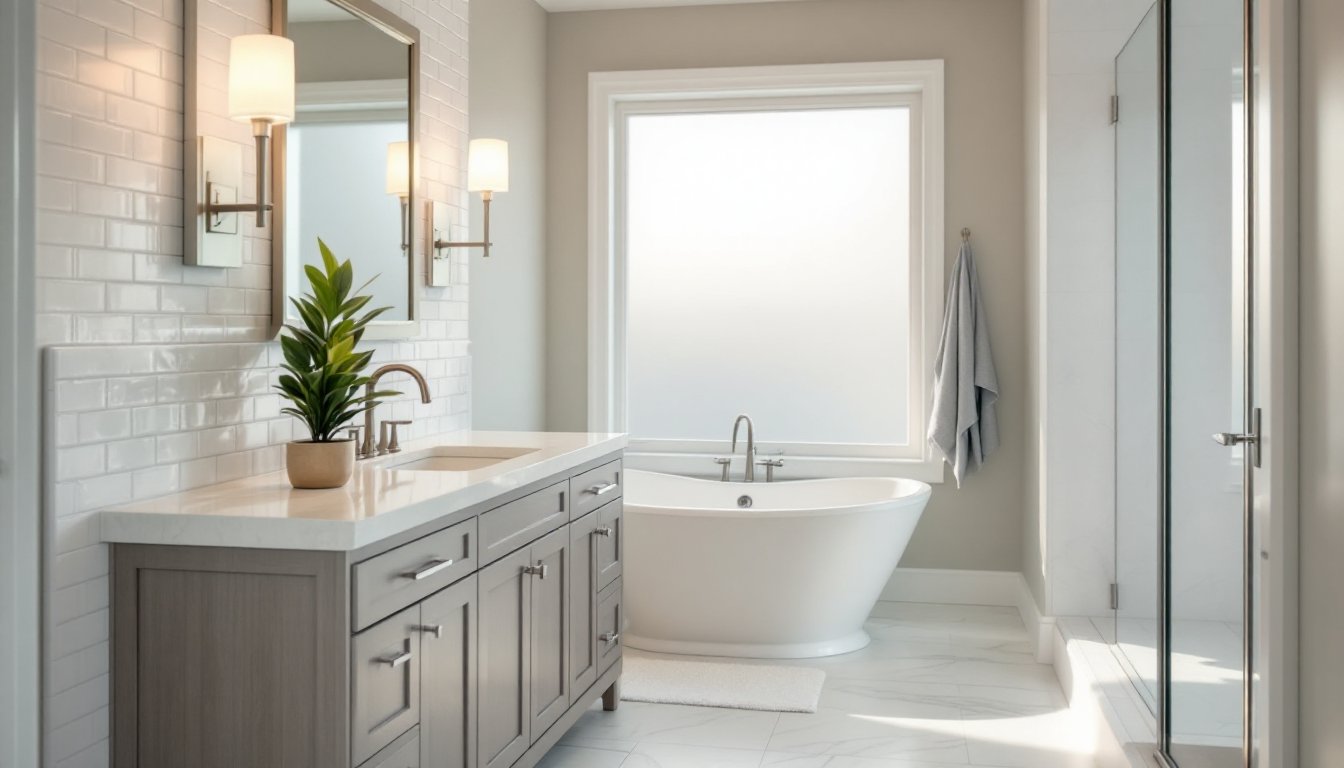
Tile is the workhorse of timeless bathrooms. Subway tile, those 3-by-6-inch white glazed ceramic or porcelain rectangles, became iconic for a reason. It’s durable, easy to clean, affordable, and genuinely timelessly proportioned. Run it horizontally or vertically: the design survives both. Large-format tiles (12-by-24 or bigger) in matte or satin finishes also age well and minimize grout lines, which attract mold and discoloration over time.
Natural stone, marble, limestone, or granite, feels premium and gets better with age if sealed properly. Marble’s veining offers visual interest without being trendy: limestone develops a lovely patina. Just know that marble stains easily (it’s porous) and needs annual sealing. If budget is tight, porcelain-look-alike tile mimics marble beautifully and requires zero maintenance.
Avoid glossy or high-shine finishes on walls or floors. They looked cutting-edge in 2005 but read dated now. Matte, honed, or satin finishes are more forgiving and sophisticated. Similarly, skip bold patterned tiles as wall coverage: they exhaust the eye and date quickly. A single accent stripe of patterned tile works fine, or save pattern for a small accent wall in a powder room.
Vanities and cabinetry should be solid construction, real wood or plywood with quality veneer, never particleboard. Shaker-style cabinet doors (simple, recessed panels) are timeless: frameless or minimalist handles are preferable to ornate hardware. White, warm gray, or natural wood stain all age well. Avoid high-gloss painted finishes: they’re harder to keep looking pristine. A semi-gloss or satin finish is more forgiving.
Fixtures and hardware in brushed nickel, polished chrome, or matte black stay relevant. Brass and gold are experiencing revival, but use them sparingly: they can feel trendy if overused. Avoid unusual finishes or shapes. A classic pedestal sink or a simple wall-hung vanity with integrated storage never goes out of style. Faucets with clean lines, no ultra-modern angles or retro reproductions that feel costume-y, work longest. Delta, Moen, and Kohler offer durable, classically designed faucets in multiple finish options.
Lighting should be simple and functional. Avoid elaborate crystal chandeliers or ultra-modern geometric fixtures. Sconces flanking the mirror with clear or frosted shades are a historic, timeless choice. Overhead recessed lighting keeps the ceiling clean and uncluttered.
Creating Your Timeless Bathroom: Practical Implementation
Start with a clear layout and don’t fight the existing plumbing unless you have budget and patience for rerouting. Moving pipes costs real money and complicates permits. Work within your footprint, choosing fixtures that fit proportionally.
Begin your material selection with tile and flooring because everything else, paint, vanity color, fixture finishes, keys off those anchors. If you’re installing subway tile walls and a honed marble floor, neutral walls and a soft gray vanity make sense. Decide on your grout color early: light grout minimizes visual line weight: dark grout is harder to keep clean and ages visibly. For timeless work, stick with light grout in neutral tones.
Underlayment and substrate matter more than most DIYers expect. Use cement board or Schluter systems for wet areas (shower walls, tub surrounds) rather than drywall, which mildews. Moisture management is non-negotiable: moisture failures are how bathrooms age worst. Prime all surfaces that take paint with Zinsser BIN or Kilz primer, regular primer doesn’t block mold growth in humid environments.
Sources like Houzz’s bathroom galleries and Remodelista’s design sourcebooks offer curated examples of how restraint and quality materials age. Study what feels fresh across decades, not what looks newest right now. Pay attention to how tile is laid, how trim details are proportioned, and which color combinations appear repeatedly across different eras.
If you’re installing a new vanity, ensure it’s fastened to studs with appropriate structural anchors (not just drywall anchors). Sinks and countertops add weight: cheap installation leads to separation and water damage. Similarly, ensure your mirror is secured properly, a falling mirror is a safety hazard and a mess.
Never skip the finishing details: proper caulking (not grout) where tile meets trim, quality paint with satin or semi-gloss finish in wet areas, and sealed grout on floors. These details prevent water intrusion, mold, and staining. Use a colorless or near-white caulk (not gray) for a cleaner look.
For many homeowners, replacing a vanity and painting walls is a manageable weekend project. Tile work, if you’re new to it, is worth outsourcing unless you have time to practice, bad grout lines are obvious and hard to live with. A licensed plumber should handle any fixture swap or new rough-in work: mistakes here are costly and dangerous.
Conclusion
Building a timeless bathroom comes down to choosing restraint over novelty, quality materials over budget finishes, and classic proportions over trendy shapes. A simple palette of whites and grays, durable tile, solid wood cabinetry, and understated fixtures creates a space that feels sophisticated today and won’t look dated a decade from now. You’re not chasing trends, you’re creating a calm, functional room built to last. Whether you’re planning a full renovation or a careful refresh, ask yourself: does this choice rely on a trend, or does it solve a real need beautifully? If it’s the latter, you’re on the right track.