A bedroom’s layout can make or break how you feel in the space. Get it right, and you’ll sleep better, have room to move, and actually want to spend time there. Get it wrong, and you’re navigating around furniture like an obstacle course or staring at an awkward empty corner every morning. The good news: bedroom layout design isn’t rocket science. It’s about understanding your room’s bones, prioritizing function over Pinterest perfection, and placing furniture with intention. Whether you’re working with a cozy master suite or a compact guest room, these seven strategies will help you design a layout that works for your life, not against it.
Table of Contents
ToggleKey Takeaways
- Understanding your room’s natural flow—including walls, windows, doors, and outlets—is the foundation of effective bedroom layout design that prioritizes function over aesthetics.
- Position your bed as the anchor piece on the main wall opposite the entry, or along a side wall in narrower rooms, ensuring at least 18 to 24 inches of walkway clearance on both sides.
- Maintain traffic flow through your bedroom by keeping main circulation routes at least 30 inches wide and positioning dressers and nightstands perpendicular or parallel to natural pathways, never blocking them.
- Maximize storage vertically using tall dressers, wall-mounted shelves, and under-bed containers to avoid cluttering your space while keeping the bedroom functional and restful.
- Scale your furniture proportionally to the room and each other—your bed should consume 30 to 40 percent of visual footprint, with 6 to 12 inches of spacing between nightstands and the bed’s edge.
- Layer your lighting with overhead, bedside, and accent lights while using light neutral wall colors in compact rooms to make the space feel larger and more intentional.
Start With Your Room’s Natural Flow
Before moving a single piece of furniture, spend five minutes understanding how your room actually works. Natural flow starts with the architecture you can’t change: walls, windows, electrical outlets, and heating vents. These fixed elements dictate where furniture can realistically sit and how people will naturally move through the space.
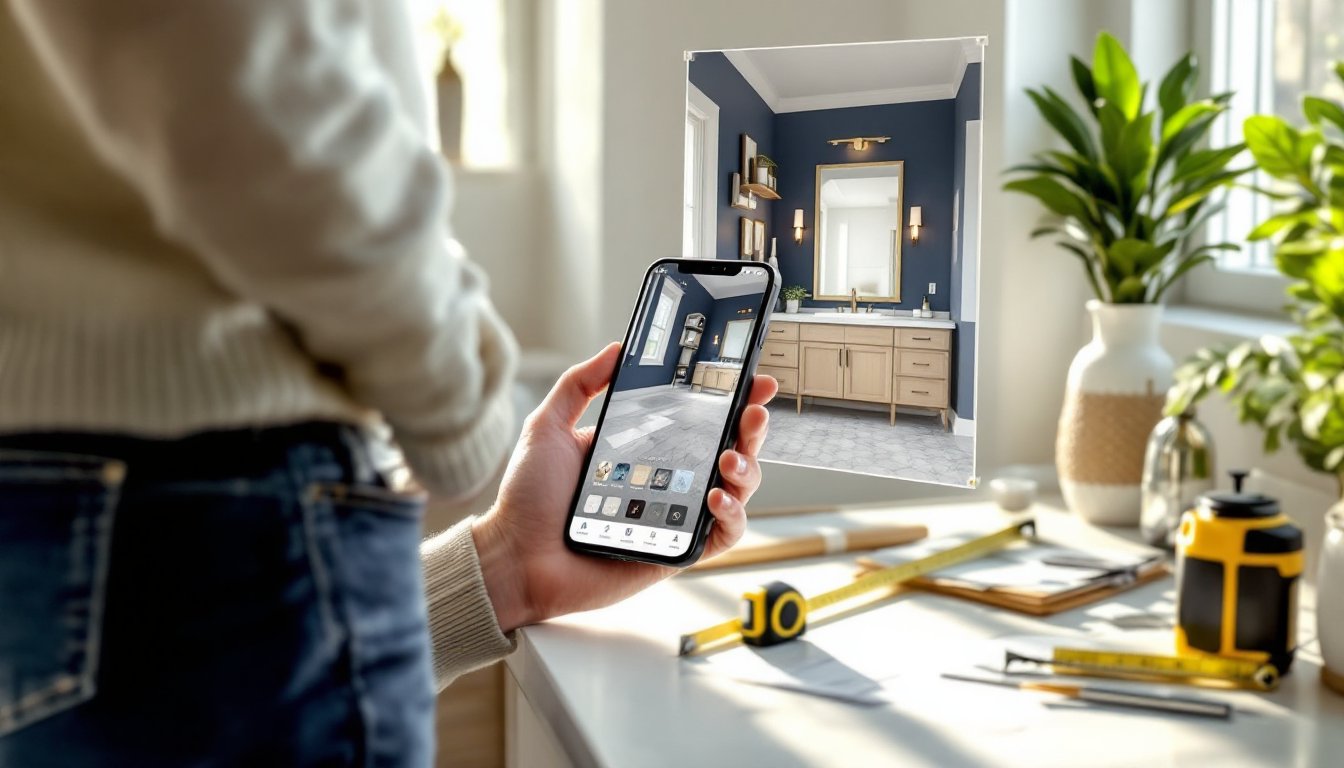
Measure your room’s length, width, and ceiling height. Sketch the layout on graph paper or use a free app like Floorplanner to test ideas without hauling a bed around. Note where doors swing open, they dictate the entry path and can block furniture placement.
Ask yourself: Do you naturally walk straight in and to the left, or does the room’s shape curve you right? Does afternoon light stream from a window on one side? These observations aren’t decorative, they’re functional cues that shape every decision that follows.
Assess Doorways and Windows First
Doorways and windows are non-negotiable anchors. A doorway opening into the room needs clearance, never block it with a dresser or nightstand that’ll make you stub your toe every time you enter. Standard bedroom doors swing 90 degrees, so account for that arc.
Windows deserve respect too. Heavy bedroom curtains or a large nightstand right in front of a window wastes natural light and makes the room feel smaller. If your bed is your focal point, positioning it across from the window can work, but keep sightlines clear.
Check for cold air drafts near windows in winter or heat gain in summer. Positioning your bed away from exterior walls in harsh climates reduces heat loss and improves sleep comfort. Outlet placement matters equally, you’ll want bedside plugs for charging devices and lamps, so plan bed position accordingly rather than awkwardly running extension cords.
Position Your Bed for Visual Impact and Functionality
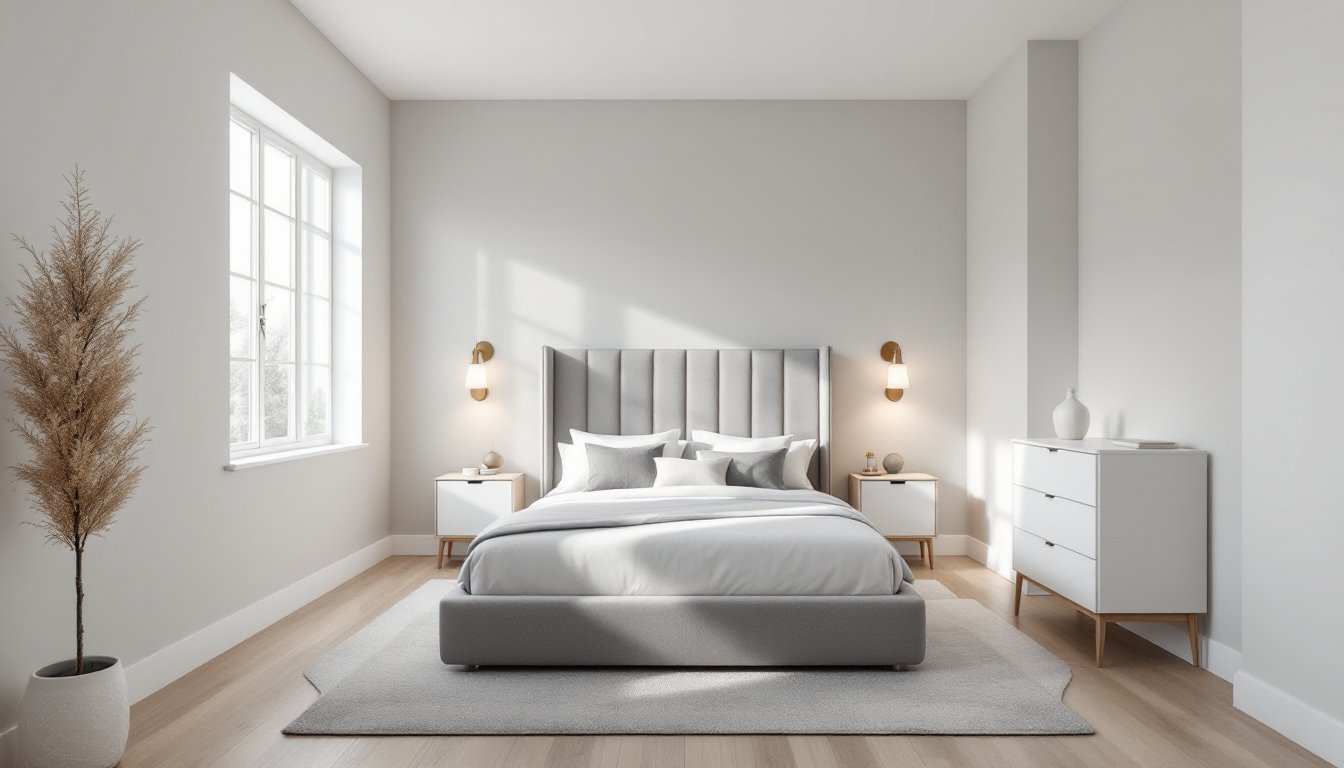
Your bed is the bedroom’s anchor furniture piece. It’s usually the largest item and deserves prime real estate. The classic design move is positioning the bed’s headboard on the main wall opposite the entry, it’s visually commanding and makes the room feel intentional rather than accidental.
If your room’s layout doesn’t allow that, placing the bed perpendicular to the entry (along a side wall) still works, especially in narrower rooms. Corner placement is your last resort: it can feel cramped and isolates you from the room.
Headboard height matters more than people think. A tall upholstered or wooden headboard anchors the visual space and fills vertical real estate that might otherwise feel bare. If you skip a headboard, hang artwork or a decorative textile at eye level to create that anchor effect.
Consider mattress size strategically. A queen fits most rooms without dominating, while a full-size in a small room leaves more floor space for dressers and circulation. King mattresses are luxurious but can consume a bedroom, leaving little room for anything else. Measure clearance: you want at least 18 to 24 inches of walkway on both sides of the bed, not tight single-file passages. Platforms and adjustable bases save under-bed storage space compared to traditional frames with legs.
Create a Traffic Pattern That Works
Traffic flow is the invisible highway through your room. It starts at the door and typically ends at windows, closets, or bathrooms. When furniture blocks these natural paths, you’ll weave around it daily, annoying in a small room, dangerous in low light.
Identify your main circulation route: the path you take from entry to bed, closet, or bathroom. Keep that route at least 30 inches wide (wide enough for two people to walk comfortably). Secondary routes to windows or other areas can be tighter, but avoid creating a maze.
Dressers, nightstands, and accent chairs should sit perpendicular or parallel to traffic, never blocking it. If you’re placing a chair in a corner reading nook, ensure the walkway to it doesn’t force visitors to squeeze past your bed. This is especially true in guest rooms or kids’ bedrooms where multiple people move through simultaneously.
Use interior design ideas from Homedit to see how professional designers arrange furniture in tight spaces. You’ll notice they rarely scatter pieces randomly: each item either sits against a wall or is intentionally floating for visual interest. Floating furniture (like a bed in the center of a large room) works only if you have generous clearance on all sides.
Maximize Storage Without Cluttering Your Space
Bedrooms need storage, but excess furniture makes even large rooms feel cramped. The trick is vertical thinking: tall dressers, wall-mounted shelves, and under-bed drawers maximize capacity without sprawling across your floor.
Wall-mounted floating shelves above a desk or dresser store books, photos, and decor without eating floor space. Under-bed storage containers hold seasonal clothing or extra bedding, freeing closet real estate. A tall, narrow dresser (sometimes called a lingerie chest) takes less visual real estate than a wide, short one.
Closet doors matter too. Sliding doors open more efficiently than swinging doors, which claim 18 to 24 inches of floor space when open. If your closet has a traditional hinged door, ensure it doesn’t collide with nearby furniture or obstruct your traffic path when opened.
Be honest about what stays. A bedroom isn’t a catchall: if it’s not bedding, bedroom furniture, or personal items used daily, it belongs elsewhere. Overcrowded rooms feel smaller and undermine the restfulness that makes bedroom design matter in the first place. Styling inspiration from House Beautiful often features minimal, curated pieces, that’s intentional, not accidental.
Balance Furniture Scale and Spacing
Scale mismatch is a silent killer in bedroom layout design. A massive sectional in a small bedroom or a tiny accent chair in a spacious master looks wrong and sabotages function. Furniture should be proportional to the room and to each other.
As a rough guide, your bed should consume 30 to 40 percent of the room’s visual footprint. Nightstands should sit at the same height as the mattress (roughly 24 to 26 inches for standard beds). Dressers typically range 30 to 36 inches tall: taller pieces work in rooms with 9-foot ceilings, while shorter pieces suit standard 8-foot ceilings.
Spacing between furniture matters as much as the furniture itself. Nightstands and the bed’s edge should sit 6 to 12 inches apart, close enough to be functional, far enough to prevent feeling cramped. A dresser across from the bed works well if it’s 4 to 6 feet away, creating a proportional visual triangle. Walls and floating furniture should maintain at least 12 inches of breathing room.
Test proportions before buying. A twin-size nightstand beside a queen bed looks undersized: a standard nightstand beside a twin bed looks oversized. If your room’s scale is awkward, room design galleries on Homify showcase solutions for odd shapes, sloped ceilings, and cramped corners, seeing how professionals solve these problems beats guessing.
Lighting and Color: Design Elements That Transform Layout Choices
Layout and lighting are inseparable. A beautifully arranged bedroom looks dingy in poor light, while thoughtful lighting makes even awkward layouts feel intentional.
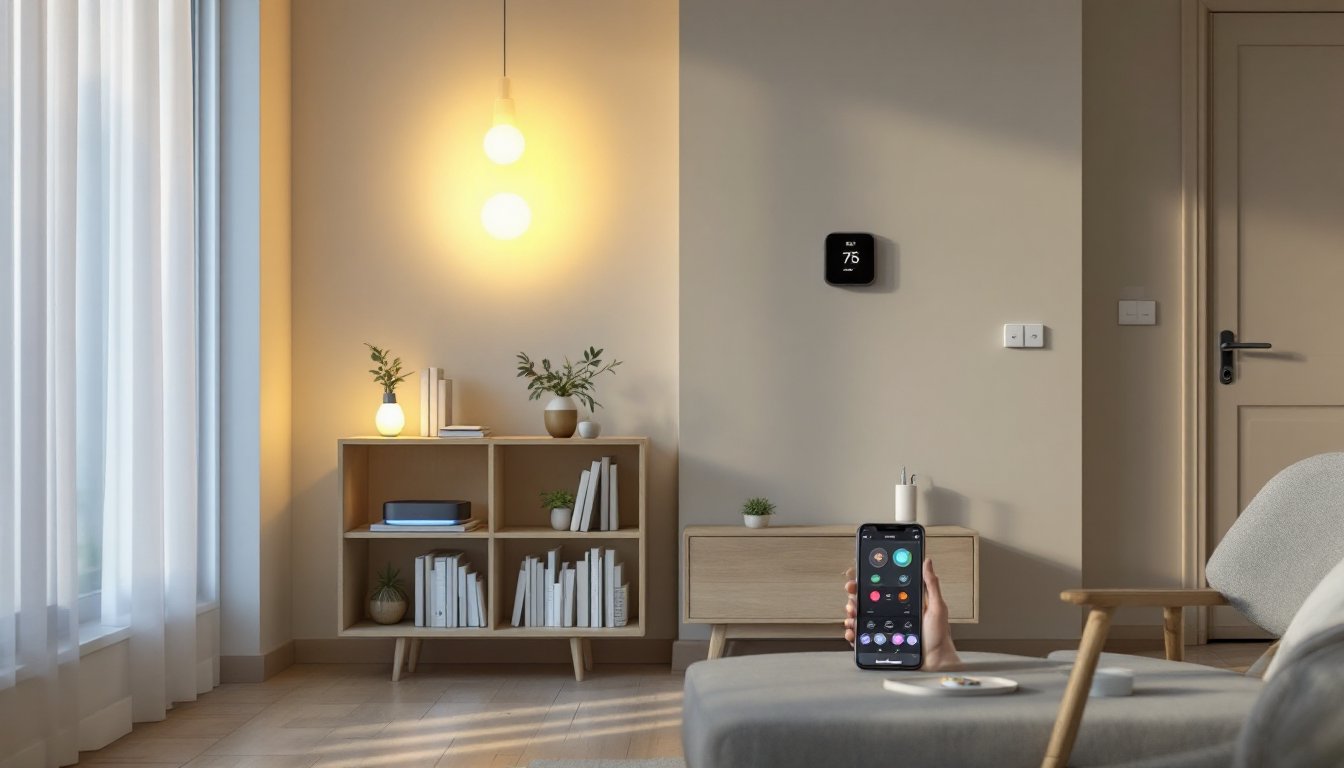
Layered lighting, overhead, bedside, and accent, gives you control over ambiance and function. Overhead ceiling lights handle morning visibility and cleaning: bedside lamps allow reading without blinding your partner: accent lighting (like wall sconces or under-shelf LED strips) adds depth and visual interest. Position bedside outlets strategically so nightstand lamps don’t require cords across walkways.
Color affects how spacious a room feels. Light, neutral walls (soft grays, warm whites, pale blues) make compact rooms feel larger. Dark colors anchor spacious bedrooms but can shrink a small room visually. If you love a bold color, apply it as an accent wall behind the bed rather than all four walls, it frames your focal point without overwhelming the space.
The relationship between layout and color goes deeper: a dark accent wall behind a bed makes that furniture arrangement feel intentional and grounded. Light walls with minimal furniture can feel sparse rather than clean. Dark walls demand visual density to avoid looking like a cave. Your room’s dimensions, natural light, and color palette should all reinforce your furniture layout, not fight it. When they align, the whole space feels coherent and restful.