Remodeling a bathroom is one of the highest-return home improvement projects you can undertake, but without a solid design plan, you’ll end up overspending, running behind schedule, or worse, hating the result. The difference between a bathroom remodel that feels polished and one that feels like an afterthought comes down to upfront planning. This guide walks you through the key stages of designing your bathroom remodel, from assessing your existing space to selecting finishes and smart features. Whether you’re tackling a cosmetic refresh or a complete gut renovation, thinking through these steps now will save you money, time, and headaches later.
Table of Contents
ToggleKey Takeaways
- Plan your bathroom remodel upfront by assessing physical constraints like plumbing locations, electrical outlets, and room layout to avoid costly surprises and design mistakes down the road.
- Budget 15–20% contingency into your bathroom remodel costs ($10,000–$50,000+ for full renovations) and expect plumbing relocations to add $500–$4,000 depending on the scope of work.
- Choose a timeless design style and neutral color palette that matches how you actually live, using accent colors strategically on one feature wall or tile detail to maintain visual balance.
- Relocating fixtures during a bathroom remodel requires careful code compliance—measure clearances (15 inches from toilet centerline, 21 inches of clear floor space), confirm door swing direction, and plan drainage slope.
- Invest in durable, moisture-resistant materials like porcelain tile and epoxy grout, and consider practical smart features like heated floors, motion-sensor lighting, or humidity-controlled exhaust fans that pay off in comfort and resale value.
- A cosmetic bathroom refresh takes 2–3 weeks, while a full structural remodel with permits and lead times typically takes 6–12 weeks, so plan for temporary bathroom alternatives during demolition.
Assess Your Space and Set Realistic Goals
Before you fall in love with a picture on Pinterest, measure your bathroom carefully and honestly evaluate its bones. Note the existing water lines, electrical outlets, load-bearing walls, and plumbing rough-ins. Are you dealing with a small powder room or a primary bath? Do you have vaulted ceilings or low soffits? Is the floor framed over a basement or a crawlspace, or is it on-slab?
These physical constraints shape what’s actually possible. A small bathroom leaves less room to move fixtures, and moving plumbing lines costs real money. If you’re planning to relocate the toilet, shower, or vanity, budget for the labor and material costs of rerouting drain lines, water supply lines, and possibly adding a new vent stack through the roof.
Next, define what “remodel” means to you. Are you updating finishes (paint, tile, hardware, lighting) while keeping plumbing and electrical in place? That’s a cosmetic refresh and typically the least disruptive and expensive option. Or are you reconfiguring the layout, replacing fixtures, upgrading to a walk-in shower, and adding new electrical circuits? That’s a structural renovation and will require permits, inspections, and likely a licensed plumber and electrician.
Be honest about what bothers you most about the current bathroom and what you actually use. If you never take baths, a soaking tub is wasted square footage. If you have mobility concerns, accessible features like a curbless shower and grab bars matter more than trendy finishes.
Establish Your Budget and Timeline
This is where many DIYers stumble. Budget constraints and project scope must align, or you’ll end up cutting corners or running out of money mid-project.
Start by researching typical bathroom remodel costs in your area. A full bathroom remodel (plumbing, electrical, fixtures, tile, cabinets) typically ranges from $10,000 to $50,000+ depending on your region, material quality, and labor availability. Bathroom remodeling costs vary widely based on the scope of work and your local market. A half bath or powder room costs less because it involves fewer fixtures and typically no shower or tub. A primary bath with a walk-in shower and double vanity costs significantly more.
Break your budget into categories: plumbing ($2,000–$6,000), electrical ($1,500–$4,000), flooring ($2,000–$5,000), vanity and cabinets ($1,500–$4,000), tile and finishes ($1,500–$4,000), and fixtures (toilet, faucet, shower valve: $1,000–$3,000). Leave a contingency cushion of 15–20% for unexpected issues, loose subfloor, hidden mold, plumbing surprises. Old bathrooms almost always reveal something once you open the walls.
Timeline depends on scope. A cosmetic refresh with no plumbing or electrical changes might take 2–3 weeks. A full remodel with permit delays, contractor scheduling, and material lead times (tile, custom cabinets, fixtures) typically takes 6–12 weeks. Plan for disruption: you won’t have a functioning bathroom during demolition and rough-in phases, so factor in temporary alternatives.
Choose Your Design Style and Color Palette
Your design style sets the visual direction and influences every material and finish choice downstream. Are you drawn to clean lines and minimalism, spa-like serenity, moody maximalism, transitional warmth, or classic Americana? Don’t chase trends, choose a style that reflects how you actually live and that will feel timeless in five years.
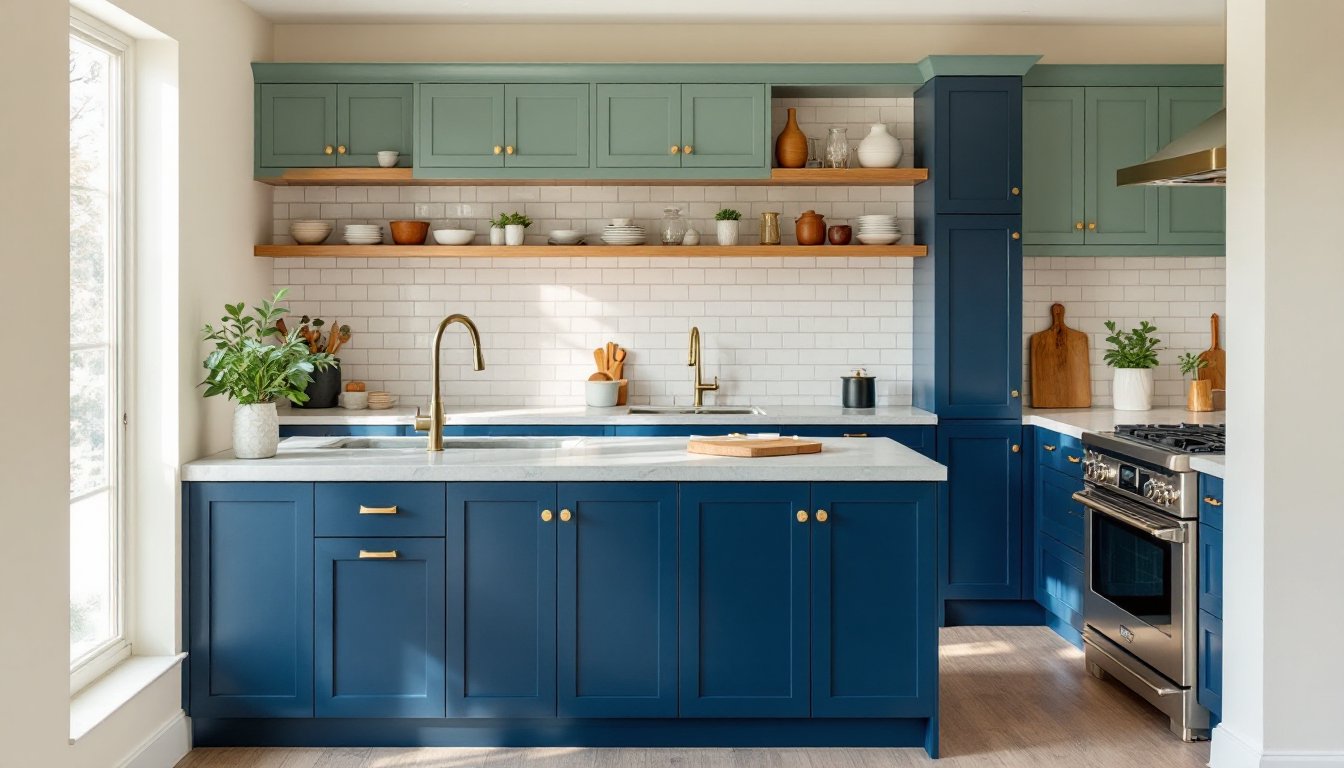
Color palettes in bathrooms tend toward neutrals (whites, grays, warm taupes) because they feel spacious, calming, and serve as a backdrop for accent colors in tile, hardware, or textiles. But, painted walls, a bold tile pattern, or a deep vanity color can add personality without overwhelming a small space. If you choose a strong color or pattern, keep it on one feature wall or as grout in a tile field: save the large surfaces (walls, flooring) for neutral tones.
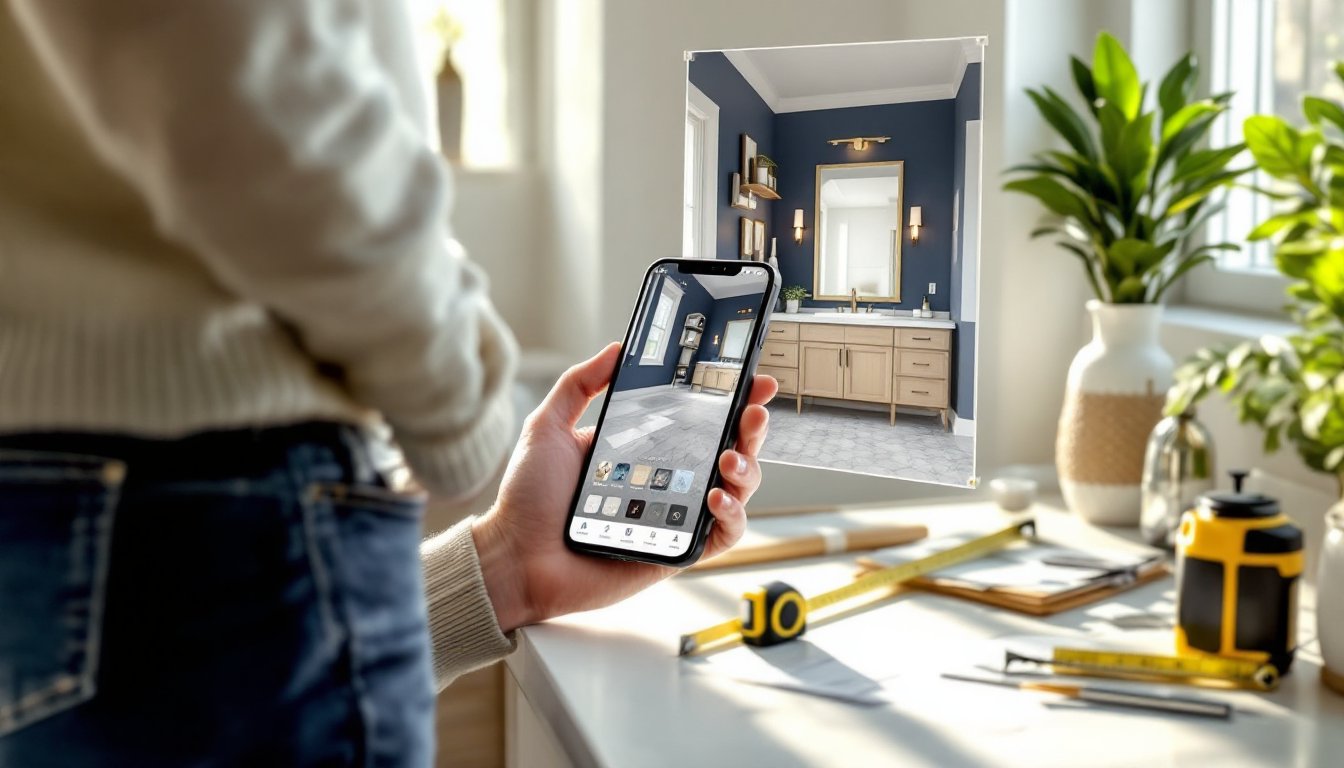
Gather inspiration from real sources: home design platforms show thousands of completed bathroom projects with photos, material lists, and contractor information. Save images of bathrooms that genuinely appeal to you and identify the common threads: Are they spa-like? Warm? Bright? Moody? Eclectic? Once you spot the pattern, you can make intentional choices about materials, lighting, and finishes.
Consider your bathroom’s natural light. A small, north-facing bathroom with one small window will feel darker than photos of bright, sun-drenched remodels. Light-colored walls, good task lighting over the vanity, and a well-lit mirror are non-negotiable. Conversely, a large, bright bathroom can handle deeper tones and moodier lighting.
Plan Your Layout and Fixture Placement
The bathroom layout is determined largely by plumbing and building codes, but you still have choices within those constraints. A typical bathroom has a toilet, sink/vanity, and shower or tub. Where they sit relative to each other and the room’s walls affects flow, comfort, and functionality.
Key rule: the toilet should not be the first thing you see when you open the door. Position it perpendicular to the entry or on a wall that’s not directly visible from the doorway. The vanity is often opposite the toilet, and the shower/tub is secondary. In a narrow bathroom, a wall-mounted or corner vanity maximizes floor space. In a larger bathroom, a floating vanity or traditional cabinet offers storage and visual lightness.
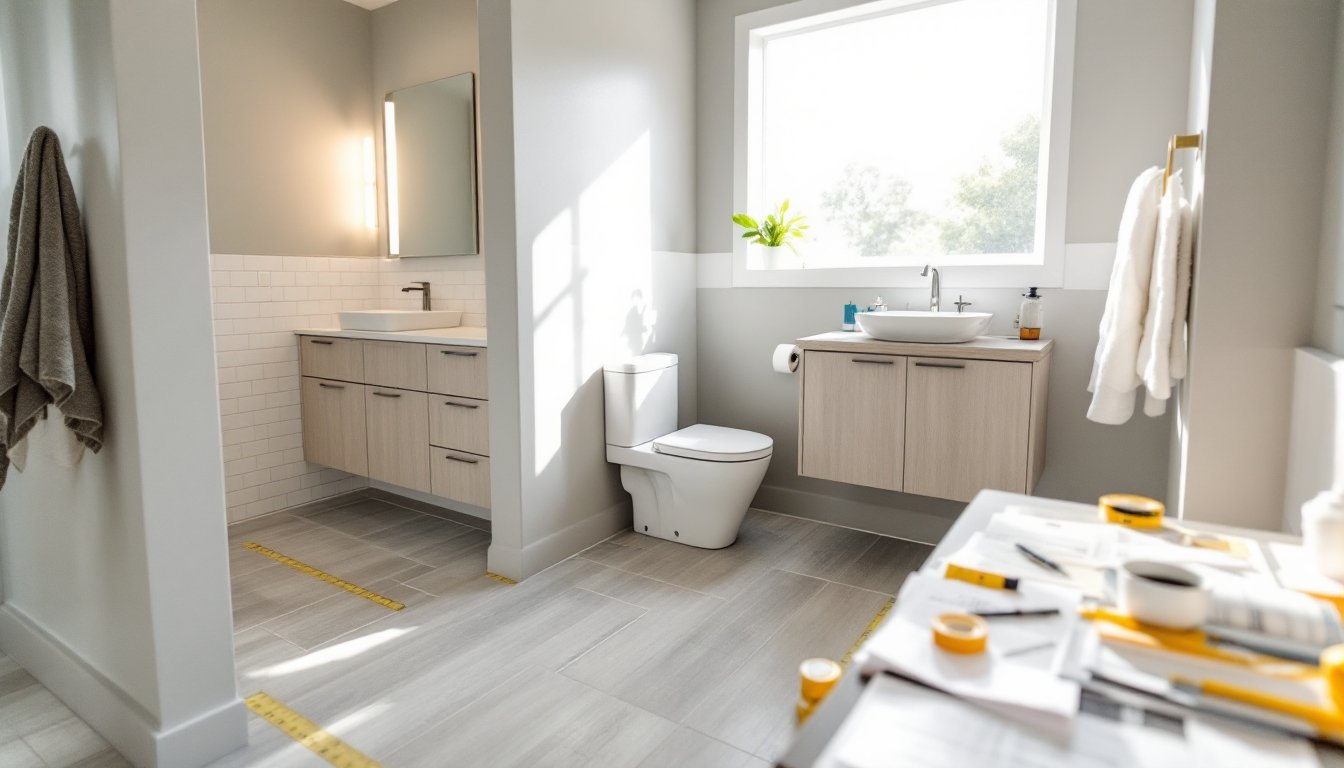
Measure carefully and sketch a floor plan to scale, marking existing plumbing rough-ins (toilet flange, sink drain, shower drain, water supply lines) and electrical boxes. Building codes require minimum clearances: typically 15 inches from the centerline of the toilet to a wall or fixture, and 21 inches of clear floor space in front of a toilet. A shower requires a minimum 30-inch width, but 36-42 inches is more comfortable. A vanity sink needs counter space on both sides for functionality.
If you’re relocating fixtures, understand the cost implications. Moving plumbing is expensive because it involves rerouting supply lines (hot and cold) and drain lines (which must slope 1/4 inch per foot toward the main drain). A toilet move might cost $500–$1,500 depending on how far and whether you’re crossing joists. A shower or tub relocation can cost $2,000–$4,000 when you factor in new drain, vent, and supply lines.
Door swing matters too. An inward-opening door takes up usable floor space. An outward-opening door is more practical in small bathrooms. If you’re adding a walk-in shower, confirm that the entry and sill height work with the floor slope and drainage.
Select Materials, Finishes, and Smart Features
Flooring and Wall Finishes
Bathroom flooring must handle moisture, foot traffic, and cleaning. Ceramic tile, porcelain tile, and natural stone are traditional choices. Porcelain is denser and less porous than ceramic, making it more water-resistant and durable, a smart choice for wet areas like showers. Tile size affects visual impact: large-format tiles (12″ x 24″ or larger) make a small bathroom feel bigger: small mosaic tiles add detail and texture.
Grout is critical. Epoxy grout resists staining and moisture better than traditional cement-based grout, though it’s slightly harder to install. Wider grout lines (1/8 inch or more) are more forgiving and more cleanable than pencil-thin lines: narrow lines show every hair and dust particle.
Wall finishes above tile vary. Painted drywall is budget-friendly but susceptible to moisture damage if not well-ventilated. Half-wall tile with painted or wallpapered upper walls is a practical middle ground. Full-wall tile in the shower and tub area is standard and necessary for moisture control. Board-and-batten or shiplap wood finishes add warmth but require careful sealing and ventilation to prevent rot.
Color and material durability matter. Light-colored grout shows dirt: dark grout hides it but can feel heavy in a small space. Matte finishes are trendy but harder to clean: glossy tile is reflective and practical. Consider the maintenance you’re willing to do.
Incorporating Smart Home Technology
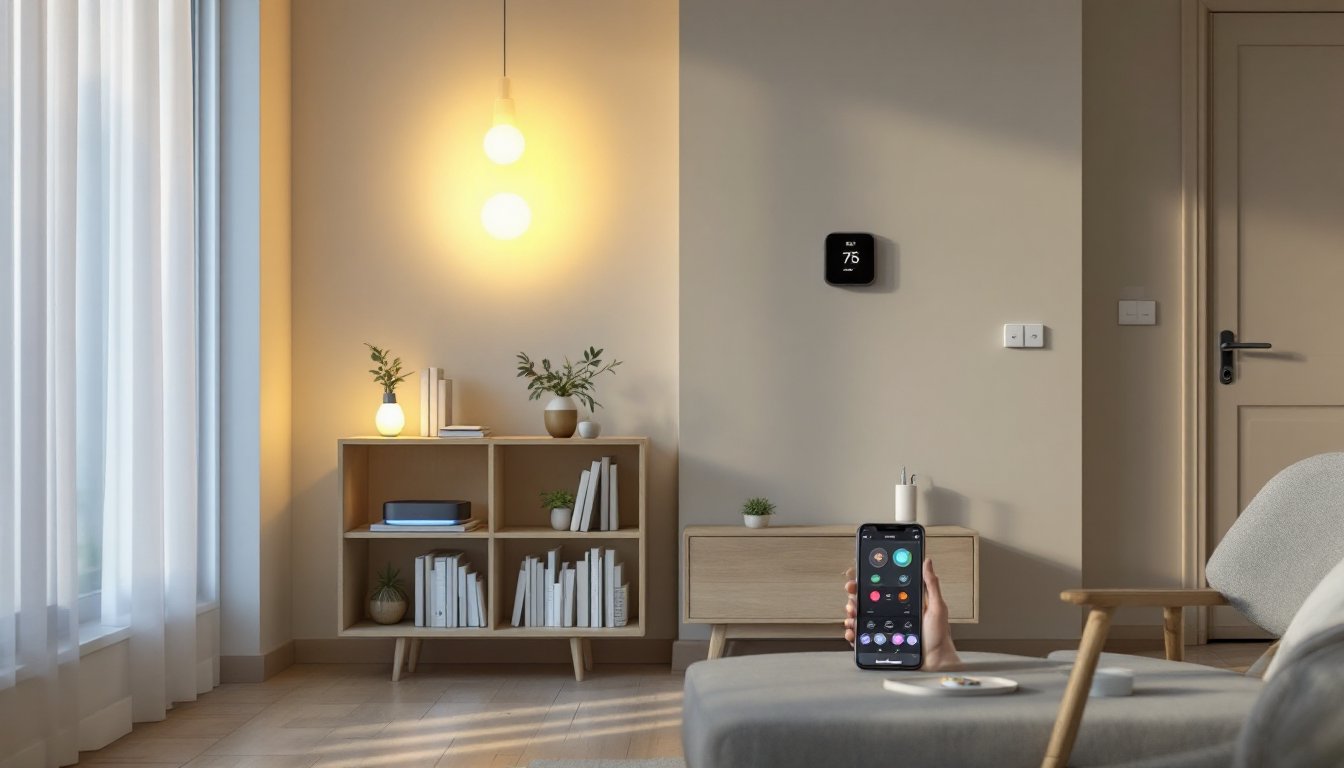
Smart bathroom features are no longer luxury items, they’re increasingly practical and affordable. A heated floor mat or radiant heating warms tile and prevents moisture pooling. LED lighting with dimmer controls or motion sensors adds convenience and safety (nighttime navigation). Smart exhaust fans with humidity sensors run automatically, reducing moisture damage without manual intervention.
Touchless faucets and soap dispensers reduce spread of germs and work well if you’re working with wet hands. A smart shower valve lets you preset water temperature and flow, reducing waste and improving safety for children or elderly users. Smart mirrors with integrated lighting, defog features, or Bluetooth speakers are nice-to-haves, not necessities, but they add resale appeal in competitive markets.
Budget for smart features realistically. Basic smart lighting (WiFi-enabled LED bulbs) costs $15–$40 per fixture. Smart exhaust fans run $150–$300. A smart shower system can cost $500–$1,500. These are worth planning into your electrical layout during rough-in rather than trying to retrofit them later.