Tiny house living isn’t just a trend, it’s a pragmatic solution for people who want lower costs, less maintenance, and genuine design intentionality. Whether you’re planning a permanent residence, a guest cottage, or an alternative income property, designing your own tiny house gives you control over every square inch and the chance to build exactly what you need. This guide walks you through the fundamentals of designing a tiny house from the ground up, covering layout strategy, structural planning, material selection, and interior solutions that maximize livability without sacrifice. If you’re ready to work hands-on and think creatively about constraint-driven design, you’re already halfway there.
Table of Contents
ToggleKey Takeaways
- Designing your own tiny house requires checking local zoning regulations and choosing between permanent foundations or trailer-based designs, as this decision cascades through all structural and utility planning.
- Effective tiny house layout prioritizes non-negotiable needs, uses vertical space with lofts and built-in storage, and eliminates wasted transitional space by creating flowing zones rather than separate rooms.
- Material choices like steel studs, closed-cell spray foam insulation, and metal roofing amplify comfort and durability in small envelopes, while reclaimed materials and sustainable options reduce costs.
- Storage density of 40–50 cubic feet per square foot of living space is achievable through under-bed drawers, wall-mounted systems, and roof trusses, making organization a critical design tool.
- Natural light through strategically placed windows, operable for cross-ventilation, and continuous flooring throughout the space create visual expansion and reduce artificial lighting needs.
- Interior finishes like light flooring, hybrid shelving strategies, and unified hardware choices maximize the perceived spaciousness while keeping costs within the 30–40% budget typical for tiny house interiors.
Understanding Tiny House Fundamentals
Before you sketch a floor plan, nail down what “tiny” means for your project. The National Tiny House Association defines a tiny house as under 400 square feet, though many hover between 200 and 300. Your design must balance three competing priorities: building codes, feasibility, and livability.
Check your local zoning regulations early, this is non-negotiable. Many jurisdictions restrict tiny houses to RV-only zones or require them to be built on permanent foundations with full utilities (water, sewer, electrical). Some municipalities have adopted the International Residential Code (IRC) with tiny house amendments: others treat them as accessory dwelling units (ADUs) with specific setback and lot-size rules. A quick call to your local building department saves weeks of planning heartbreak.
Decide on your foundation type: permanent foundation (concrete slab, crawlspace, or pier-and-beam) or trailer-based. Permanent foundations cost more upfront but unlock financing options and eliminate towing concerns. Trailer-based designs (typically 8–12 feet wide by 24–40 feet long) offer mobility but are subject to weight distribution limits and towing regulations. Each choice cascades through your entire design, roof pitch, wall height, utility connections, and structural loading all depend on this decision.
Planning Your Layout and Space
Layout is everything in a tiny house. Start by listing non-negotiables: do you need two sleeping areas? A full kitchen or a prep kitchen? Home office space? Separate shower and toilet, or can they combine? Write these down, they’re your constraints, and good design works within constraints, not by ignoring them.
Draw your floor plan to scale using quarter-inch grid paper or free tools like Floorplanner or SketchUp’s free version. Include door swings, window openings, and appliance clearances. A standard interior door is 32 inches wide: a bathroom sink needs 20 inches of counter depth minimum: a queen bed requires a 10-by-10 space (walls to walls) to feel livable, though 9-by-10 works in a pinch. Test your layout by walking it, literally move through the space on paper and flag traffic bottlenecks.
Maximizing Square Footage Efficiency
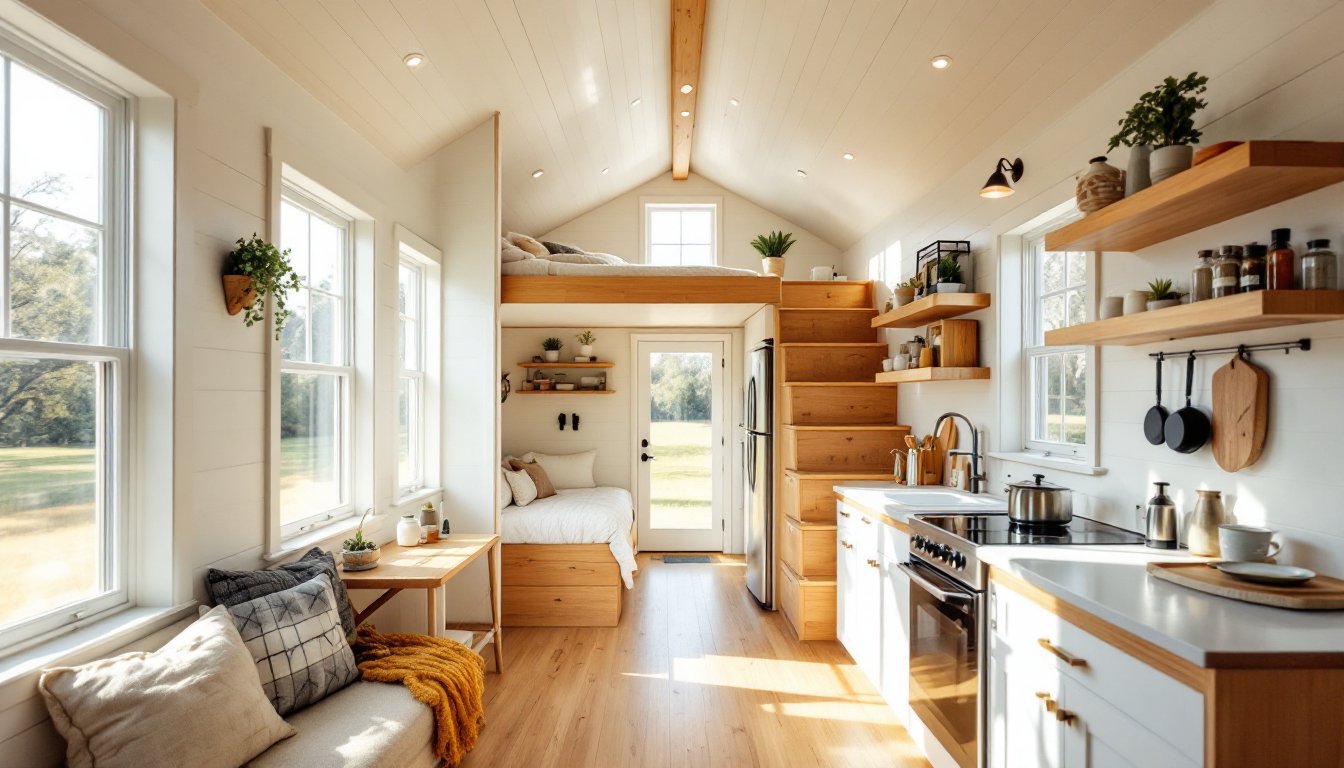
Every wall serves double duty in a tiny house. Instead of a hallway, a staircase with built-in storage underneath becomes a divider between the living area and bedroom. Kitchen cabinetry can wrap around a corner to sleep a guest bed. Lofts, commonly 8 feet above the main floor, reclaim vertical space for sleeping or storage: just ensure ceiling height above the loft allows sitting upright (typically 36–48 inches). Building codes vary on loft egress (emergency exits), so confirm your jurisdiction’s requirements before framing.
Furniture placement matters as much as structure. Wall-mounted shelving, fold-down desks, and Murphy beds are tools, not gimmicks. A compact kitchen with a two-burner cooktop and smaller refrigerator (36 inches wide instead of the standard 30) demands less footprint without sacrificing function. Think in terms of zones rather than rooms: the sleeping loft, the living/dining area, the kitchen nook, and the bathroom. Each zone flows into the next without wasted transitional space.
Essential Design Principles for Small Spaces
Constraint-driven design is a skill. Open floor plans feel larger than segmented ones, but they require ventilation planning and acoustic control, cooking smells and TV sound travel. Vertical sight lines (tall windows, high ceilings where possible) create the illusion of spaciousness. Light colors on walls and ceilings bounce light and add perceived volume, though this isn’t a license to paint everything beige.
Storage density is your secret weapon. Builders of tiny houses often achieve 40–50 cubic feet of storage per square foot of living space through clever design: under-bed drawers, wall-mounted spice racks, corner carousels in cabinets, and roof trusses retrofitted with pull-down attic access for seasonal items. Plan storage before you finalize the layout, retrofitting it later is wasteful.
Natural light and ventilation improve livability dramatically. More windows mean better views, cross-ventilation, and daylighting that reduces artificial lighting needs. But, windows cost more and reduce insulation value, so balance aesthetics with energy performance. A standard window is 3 feet wide by 4 feet tall: place them to frame views and create sightlines through the space. Operable windows (ones that open) in opposing walls allow cross-breeze cooling in mild seasons, reducing air-conditioning load. This is where principles from Apartment Therapy’s small space guides align with structural efficiency, smart placement does both.
Selecting Materials and Building Systems
Tiny houses amplify the impact of material choices. Steel studs cost 20–30% more than 2×4 lumber but eliminate the thermal bridging that plagues wood framing (wood is a poor insulator, so studs create pathways where heat leaks). Insulation matters enormously in a small envelope, standard fiberglass batts (R-13 in walls, R-38 in attic) work, but closed-cell spray foam (R-6 per inch) creates an air barrier and prevents infiltration. The upfront cost is higher, but heating and cooling a tiny house is cheap, and comfort pays you back monthly.
Roofing pitch affects usable space and weather resistance. A steep pitch (8/12 or steeper) sheds water efficiently and gives lofts more headroom, but it complicates installation and adds material cost. A moderate pitch (6/12) is a practical compromise. Metal roofing (standing seam or metal shingles) lasts 40–70 years versus asphalt’s 15–25, and it’s lightweight for trailer-based designs. Standing seam costs $8–12 per square foot installed: asphalt runs $3–5. Do the math over the house’s lifetime.
Sustainable and Affordable Options
Reclaimed or repurposed materials keep costs down while adding character. Salvage yards often have hardwood flooring, vintage cabinetry, and windows at 30–50% of new retail. Plywood subfloors and OSB sheathing are standard in tiny houses: they’re budget-friendly and structurally sound if installed per code. Recycled denim insulation (blue jeans shredded and treated for fire resistance) costs roughly 10% more than fiberglass but has a lower environmental footprint and is easier to handle, no itching from glass fibers.
For utilities, mini-split heat pumps (ductless systems) are ideal for tiny houses. They’re efficient, quiet, and occupy minimal space compared to traditional HVAC. A single-zone system runs $2,000–3,500 installed. Tankless water heaters save space and energy: they run $600–1,500 depending on fuel type (electric, gas, or propane). Solar potential is high in a small footprint, a 2–3 kW rooftop system can offset much of a tiny house’s annual consumption in sunny climates. Resources like This Old House’s energy efficiency guides detail integration strategies.
Creating Functional Interiors That Feel Spacious
Interior finishes can cost 30–40% of a tiny house budget, so prioritize smartly. Polished concrete or light wood-look vinyl plank flooring reads cleaner than dark carpet and is easier to maintain. Continuous flooring throughout (no transitions between kitchen and living) visually expands the space. Drywall is standard, but shiplap or board-and-batten adds texture and interest without bulk: consider it as an accent on one wall to avoid visual heaviness.
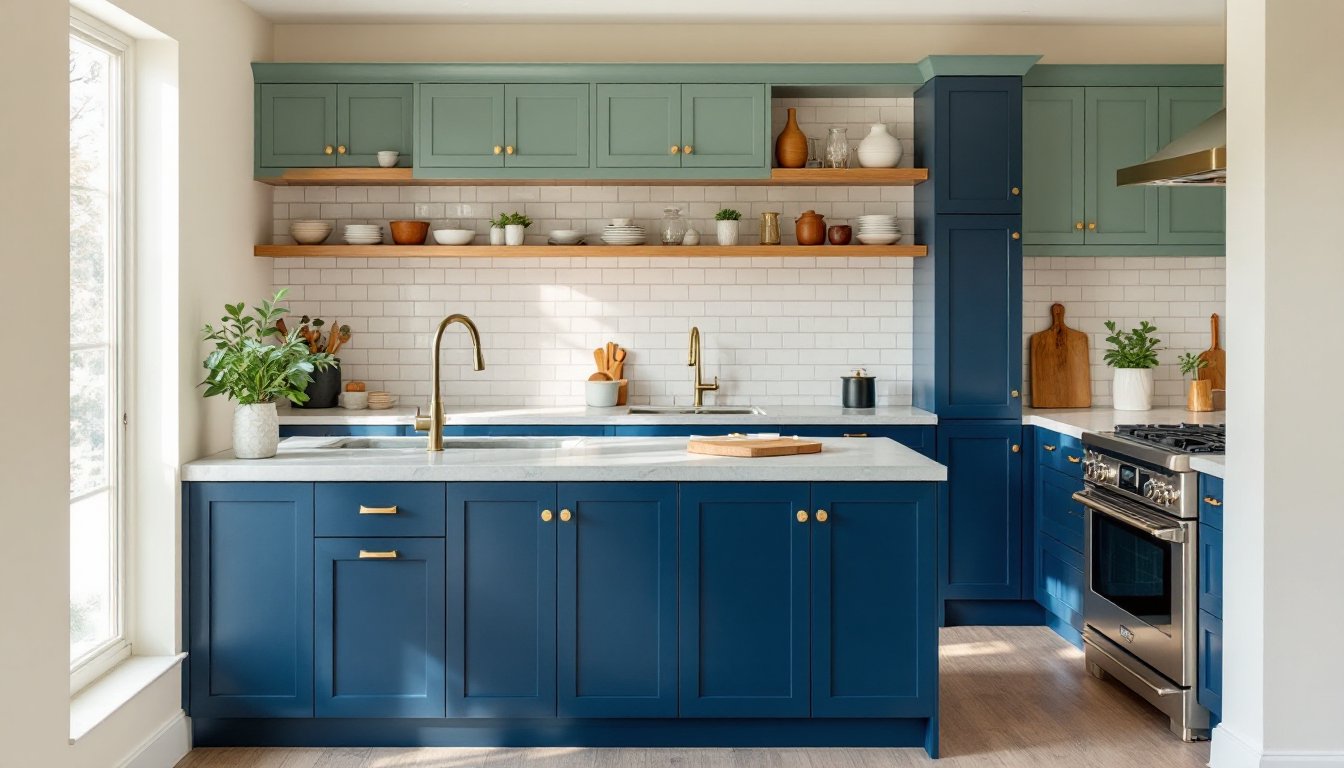
Cabinet design is critical. Semicustom or stock cabinetry (think IKEA or Home Depot) gives you budget control, while custom built-ins maximize corners and dead space. Open shelving looks airy but demands organization discipline: closed cabinets hide clutter but feel smaller. A hybrid approach, open shelving for regularly used items, closed storage for bulk goods, works well. Kitchen countertop: butcher block (warm, affordable, requires maintenance) runs $4–8 per linear foot: laminate ($2–5) is durable and easy: solid surface ($8–15) feels premium and allows seamed corners.
Lighting layers, ambient (ceiling), task (under-cabinet), and accent, transform the space throughout the day. LED strips under shelving illuminate work areas without adding clutter. Dimmers on ceiling fixtures let you shift mood from bright work light to cozy evening. Every fixture must earn its place. Choose finishes that unify: consistent hardware, consistent paint colors, and a clear material story (e.g., warm wood, matte black, white walls) prevent the space from feeling cluttered.
The interior is where Fine Homebuilding’s detailed construction methods prove invaluable for understanding how lofts, built-ins, and custom storage integrate structurally. Tiny house interiors demand precision, every gap shows, every joint is visible, and craftsmanship is non-negotiable.