A cozy kitchen isn’t just about aesthetics, it’s the heart of a home where family gathers, conversations flow, and memories stick around as long as the smell of fresh bread. The trend toward warmth and comfort in kitchen design has shifted dramatically in recent years, moving away from stark minimalism toward spaces that invite lingering. Whether you’re renovating from scratch or refreshing what you’ve got, the right combination of lighting, materials, layout, and color can transform a sterile kitchen into a welcoming retreat. This guide breaks down seven proven strategies to create that coveted cozy kitchen feeling in 2026, each backed by practical, actionable steps you can carry out today.
Table of Contents
ToggleKey Takeaways
- Layered lighting with warm white bulbs (2700K) and dimmer switches transforms a cozy kitchen by mixing ambient, task, and accent lighting across different zones.
- Natural materials like wood, stone, and warm metal finishes create an inviting atmosphere that feels lived-in and more welcoming than modern minimalism.
- A functional layout with an island or banquette encourages gathering and conversation, making the cozy kitchen a natural gathering spot rather than just a workspace.
- Warm neutral color palettes—creams, soft whites, and earth tones with accent colors like sage green and terracotta—establish a calm, soothing foundation for cozy kitchen design.
- Smart storage solutions and visible organization, such as glass jars and labeled containers, eliminate clutter stress and invite spontaneous cooking and lingering.
The Warmth Of Soft Lighting And Layered Illumination
Lighting makes or breaks coziness. A single overhead fixture is a recipe for a cold, institutional feel. Instead, aim for layered illumination, a mix of ambient, task, and accent lighting that you can adjust depending on the time of day and mood.
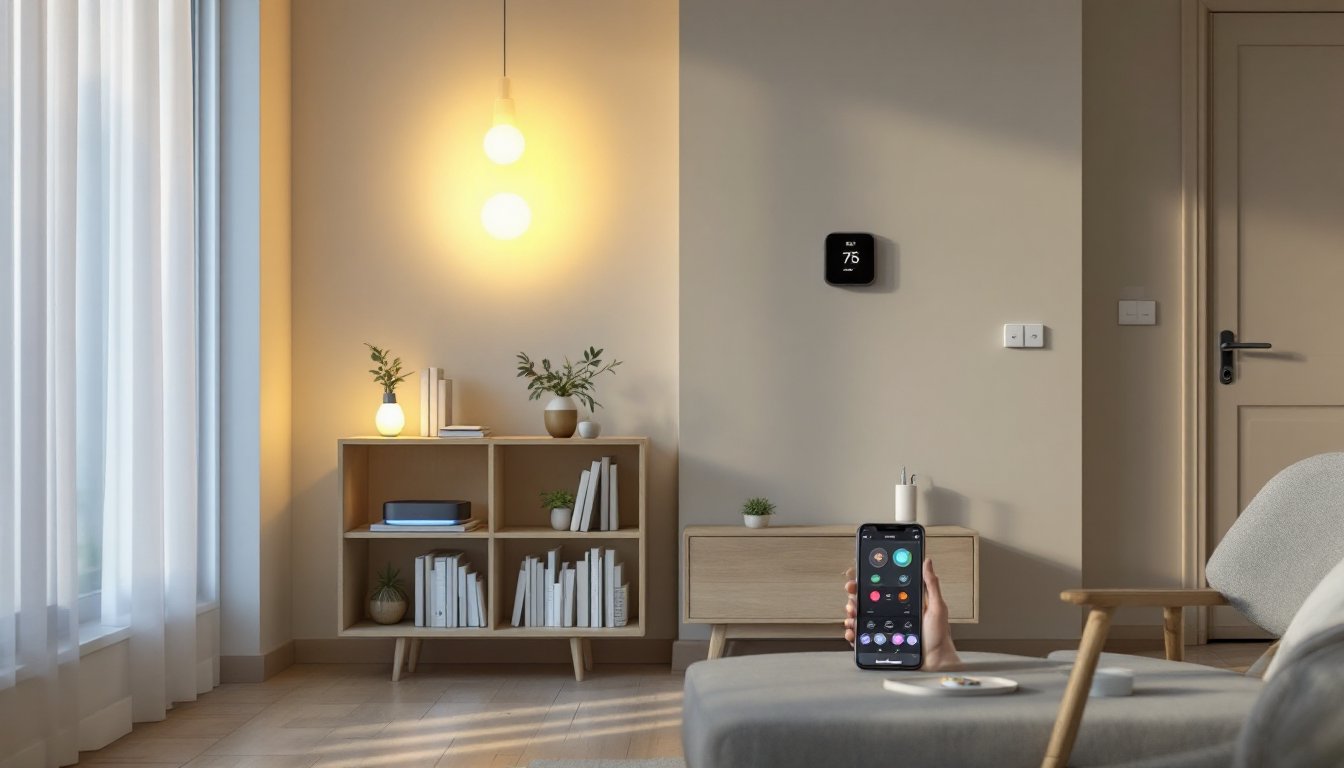
Start with ambient lighting: recessed cans or a flush-mount fixture provide base-level brightness without harshness. Warm white bulbs (2700K color temperature) are your friend here: they mimic incandescent warmth without the energy waste of old-style bulbs. For task lighting, under-cabinet strips or pendant lights over an island keep work areas bright without casting shadows. Dimmer switches are essential, they cost $15–30 to retrofit and let you dial in the exact atmosphere.
Accent lighting is where personality enters. Wall sconces flanking a doorway, a vintage brass fixture above the sink, or even string lights strung along open shelving add visual interest and warmth. Avoid bright white or cool-toned bulbs in favor of warm amber or soft white. The magic happens when you can lower the overhead and rely on these softer, layered sources in the evening.
Natural Materials And Textures That Feel Inviting
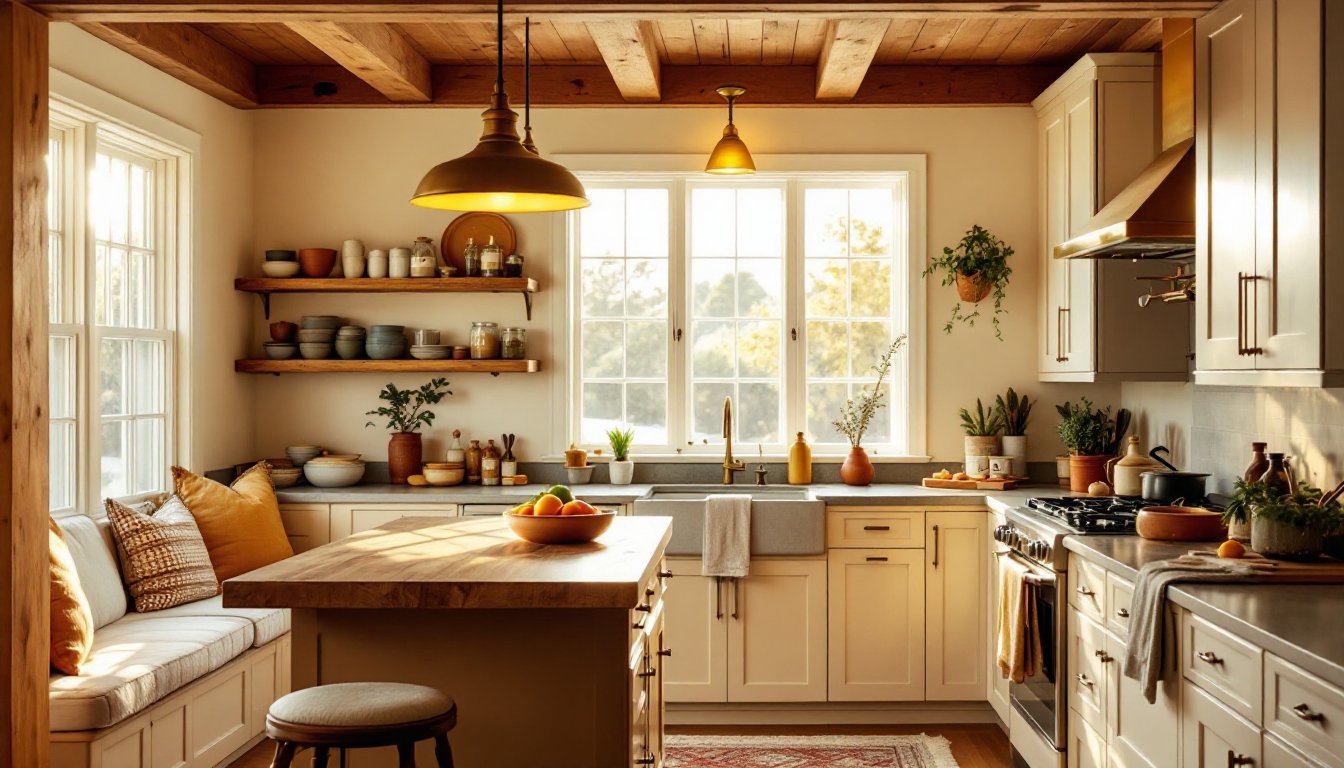
Raw, authentic materials ground a kitchen and make it feel lived-in rather than showroom-sterile. Wood is the foundation: butcher-block countertops, open shelving with solid lumber, or a stained wood ceiling beam all convey warmth immediately. Real wood breathes and ages gracefully: it tells a story in a way laminate doesn’t.
Stone, slate, granite, or soapstone, adds tactile richness. A honed (matte) finish feels softer and less cold than polished. Brick or stone backsplash introduces texture and history. Textiles also matter: linen towels, a wool or cotton rug runner, and natural fiber placemats all soften hard kitchen lines.
Metal accents should lean toward warm finishes: brass, copper, and oil-rubbed bronze feel intimate, while chrome and stainless steel can feel clinical if overused. Mixing metals (brass hardware with a copper sink, for instance) keeps things from looking too matchy or sterile. The trick is intentionality, every material should earn its place by adding warmth or function, not just cost.
A Functional Layout That Encourages Gathering
A cozy kitchen is one where people want to linger. Open floor plans work well here, but the real magic is in furniture and traffic flow. An island or peninsula isn’t just for extra workspace: it becomes a gathering spot where guests can perch while you cook. Make sure there’s adequate seating, at least two comfortable stools with back support.
A banquette (built-in bench seating) along a window or wall creates an intimate breakfast nook and is far more inviting than standalone chairs. Pair it with a small table (36–48 inches wide) and soft cushions in a weather-resistant fabric for durability. Designers at Houzz frequently showcase how banquettes reduce the feeling of wasted corner space while fostering connection.
Pathways should be intuitive. Avoid layouts where the cook is hemmed in by a narrow galley or where guests have to dodge traffic. A work triangle (sink, stove, refrigerator) that’s neither too cramped nor too spread out (under 26 feet total perimeter is ideal) keeps you efficient. Open shelving near the coffee station or beverage fridge signals informality, people feel welcome grabbing their own cup. Storage matters too: if everything’s crammed behind cabinet doors, the kitchen looks cluttered and feels chaotic. Visible organization (like matching glass jars, cookbooks on display shelves, or a pegboard for tools) adds character while maintaining function.
Color Palettes That Create A Soothing Atmosphere
Warm Neutrals And Earth Tones
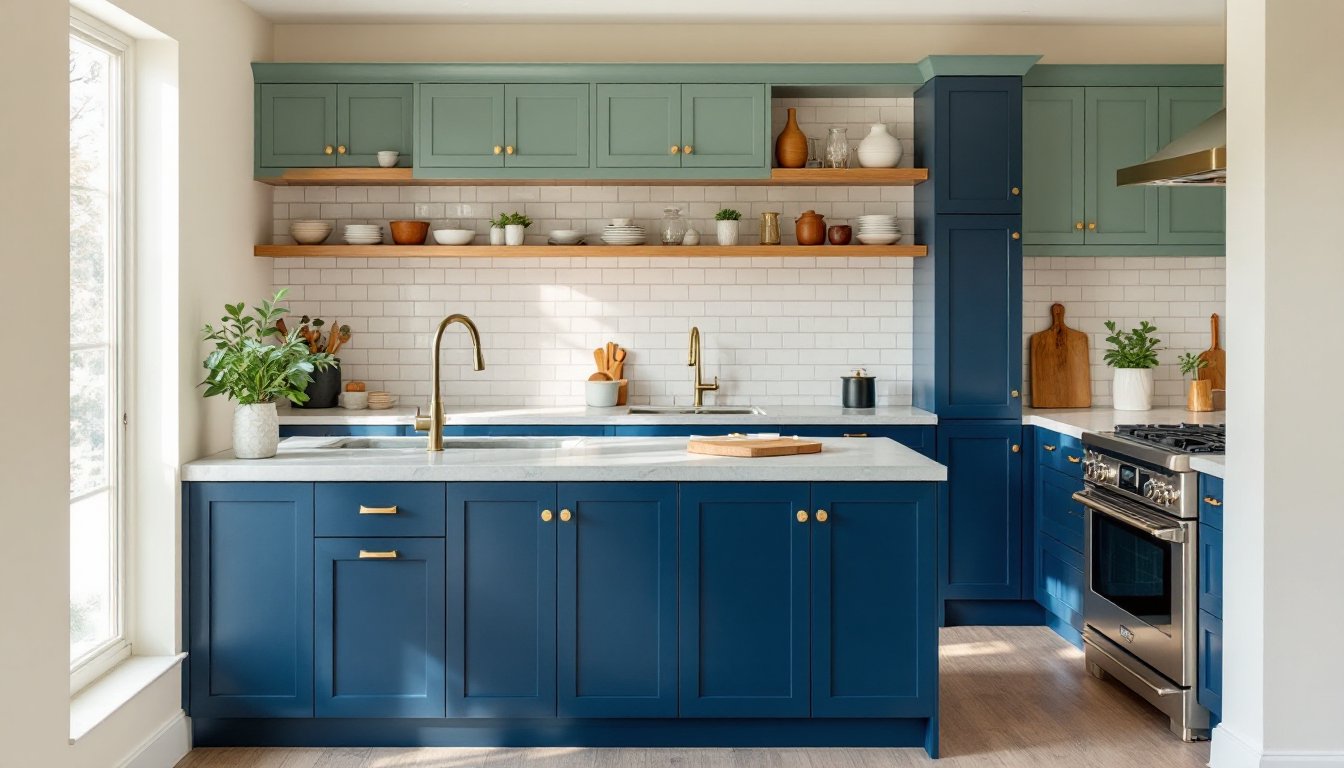
Warm neutrals form the backbone of a cozy kitchen. Creams, soft whites, warm grays (with yellow or brown undertones), and taupe create a calm, enveloping backdrop. Paint cabinets in soft white (with warm undertones) or sage green rather than stark white or trendy grays with blue undertones, those cool tones undermine coziness.
Walls can stay neutral or shift slightly: warm white, pale cream, or a soft warm gray. The ceiling is often overlooked, painting it a warm white (not cool/bright white) makes the room feel less boxed in. If you’re considering a bold kitchen paint color, test samples at different times of day: what looks cozy in the afternoon might feel oppressive at night. Walls painted in warm beige paired with natural wood cabinetry create immediate warmth without trying too hard.
Accent Colors For Personality
Neutral doesn’t mean boring. Layer in accent colors through textiles, hardware, and decorative elements. Deep forest green, warm terracotta, muted mustard, or soft sage breathe personality into a neutral scheme. A feature wall (the wall behind your stove or a corner near the breakfast nook) can carry a deeper earth tone, think warm gray-green or warm charcoal, without overwhelming the space.
Hardware color is a subtle but powerful accent: warm brass knobs and pulls feel more intimate than chrome. Open shelving painted a warm white but displaying colorful dishes, vintage glassware, or cookbooks adds visual warmth and personality. The Kitchn has explored how small pops of color in kitchen linens and decor prevent neutral spaces from feeling sterile. A few well-chosen accessories, a terracotta pot of herbs on the windowsill, a linen dish towel in a warm earth tone, anchor the color story without clashing.
Practical Comfort: Storage And Organization Solutions
Comfort lives in function. A chaotic, cluttered kitchen, no matter how lovely the finishes, feels stressful, not cozy. Thoughtful storage and organization free up mental load so you can relax and enjoy the space.
Start with honest assessment: what do you actually use, and how often? Daily-use items (coffee, tea, snacks) deserve prime real estate at eye level or easy reach. Seasonal or special-occasion items can live higher or deeper. Pull-out drawers and sliding shelves in lower cabinets are game-changers, they eliminate the frustration of reaching to the back. Lazy susans (also called turntables) keep spices and oils visible and accessible in corner cabinets.
Open shelving is trendy, but it only works if what’s displayed is genuinely organized and attractive. Glass jars with matching lids, color-coordinated cookbooks, and handmade pottery look intentional and warm. Closed storage (upper cabinets or a pantry) keeps bulk items, appliances, and less-beautiful necessities out of sight.
Vertical storage is your ally in smaller kitchens. Wall-mounted racks for spices, pegboards for tools, or a rail system for hanging pots free up cabinet and counter space. Drawer dividers and labeled containers (even simple kraft labels) make finding things effortless. A well-organized kitchen invites spontaneous cooking and lingering, you’re not stressed searching for that one spice or frustrated with a junk drawer. Designers at Remodelista emphasize that smart storage is the unsung hero of comfortable, livable kitchens. Include a small trash and recycling setup within arm’s reach of prep areas: hidden or tucked-away waste bins keep clutter invisible and reinforce the cozy atmosphere.