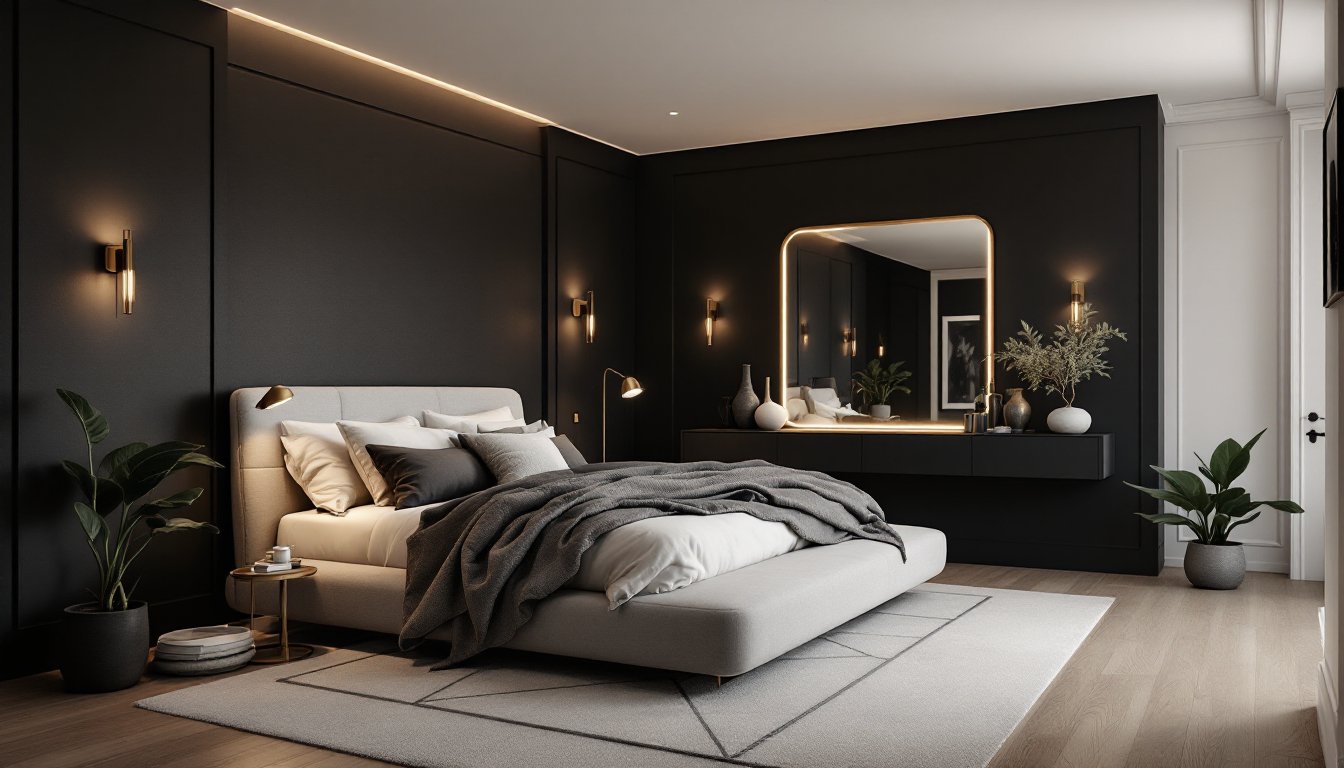
A black bedroom sounds risky, maybe even gloomy. But the truth is, when done right, black walls create one of the most sophisticated, intimate, and surprisingly spacious-feeling bedrooms possible. The key isn’t avoiding black: it’s understanding how to layer it with light, texture, and purposeful accent colors so the room feels inviting rather than cave-like. Whether you’re drawn to moody minimalism, theatrical drama, or just a fresh departure from beige, black bedroom design has become a legitimate design choice for homeowners who want a real retreat, not another Instagram-standard space.
Table of Contents
ToggleKey Takeaways
- Black bedroom design creates a sophisticated, cocoon-like retreat when layered with proper lighting, complementary colors, and textures that prevent the space from feeling cave-like.
- Choose near-black shades like charcoal or very dark gray over pure black for most rooms, and test large paint swatches at different times of day to assess how undertones shift with natural and artificial light.
- Multiple light sources (overhead fixtures, bedside lamps, wall sconces, and dimmers) are essential to transform a black bedroom from bunker-like to luxurious and mood-adjustable.
- Balance black walls with white or cream ceilings, pale flooring, mirrors, and nature-inspired accessories like plants and natural wood furniture to add warmth and prevent visual monotony.
- Strategic accent colors—deep jewel tones, muted earth tones, and metallics—plus layered textures in bedding and throws create visual interest that makes black bedrooms feel inviting rather than monotonous.
- Invest in quality primer, use matte finishes for sophistication, and don’t rush the project; living with black walls in a smaller space first helps confirm the choice before committing to a full bedroom repaint.
Why Black Bedrooms Work Better Than You’d Expect
The psychology here matters: black absorbs light and creates psychological depth, making a room feel more enclosed and protected, exactly what a bedroom should do. Unlike living rooms, where openness matters, bedrooms benefit from a sense of cocoon-like privacy. Black also hides wall imperfections, dust, and the inevitable nicks that come with living. That’s not cosmetic: it’s practical durability.
Black bedrooms also photograph and feel dramatically different in person than they do in your head. The Pantone color forecasts and design publications have leaned into dark, sophisticated interiors for years, and homeowners are finally catching on. A black bedroom signals intentionality, you chose this, you own it, rather than defaulting to what’s expected. It’s also surprisingly forgiving. Unlike white walls that show every smudge, or pale colors that demand constant freshness, black matures gracefully as a room evolves.
Choosing The Right Shade Of Black For Your Space
Not all blacks are equal. True black (like Sherwin-Williams Black or Benjamin Moore HC-169 Black) is pure and dramatic, but it can feel harsh in smaller rooms or those with limited natural light. Most designers instead recommend near-blacks: charcoal, very dark gray (like Sherwin-Williams Tricorn Black or Benjamin Moore Cavern Black), or soft blacks with undertones.
Before committing, get paint samples and observe them at different times of day. Black with cool undertones (blues, grays) reads colder and more contemporary: blacks with warm undertones (browns, grays with a hint of warmth) feel cozier. Paint large swatches, at least 2 by 3 feet, on your actual walls and live with them for a few days. Artificial light, natural light at dawn, midday, and dusk all shift how black reads. Matte finishes (flat or eggshell) hide imperfections and look more sophisticated: satin hides fewer flaws but resists scuffing better on walls near headboards. Use primer underneath, especially if painting over light colors, black often needs two coats, and primer reduces the number needed.
Balancing Black Walls With Lighting And Fixtures
Here’s where black bedrooms succeed or fail: lighting. Without it, you’re in a bunker. With it, you’re in a luxury hotel lobby. Install multiple light sources, overhead ceiling fixture, bedside task lamps, wall sconces, and accent lighting if space allows. Dimmers are non-negotiable: they let you shift the room’s mood from energizing to restful without rewiring.
Choose fixture finishes carefully. Polished brass, gold, and warm metallic finishes soften black and add richness. Chrome and brushed nickel feel cleaner and more modern. Avoid fixture colors that compete (colored glass, ornate patterns) unless you’re layering deliberately. When it comes to bulbs, warm white (2700K) creates comfort: cooler tones (4000K) risk making the room feel clinical. Recessed lighting hidden behind trim or crown molding creates an elegant ambient glow that bounces off the black walls instead of sitting flat. If recessing lights requires ceiling work, hire an electrician, this isn’t a casual DIY job if it involves cutting joists or running new circuits. Wall-mounted LED strips behind floating shelves or headboard panels offer a contemporary alternative and avoid structural work.
Selecting Complementary Colors And Accent Pieces
Pure black rooms get monotonous fast. Introduce a secondary color palette, this prevents visual fatigue and adds personality. Whites and creams (bedding, ceiling, trim) create contrast and prevent the room from collapsing into one dark mass. Metallics, gold, brass, copper, or silver, add luxury without competing with black. Textiles and textures do the heavy lifting here: a chunky cream linen duvet, a fuzzy throw, a patterned rug in cream and charcoal.
Accent colors should be intentional. Deep jewel tones (emerald, navy, burgundy) layer beautifully over black and feel grown-up. Muted earth tones (sage, taupe, terracotta) soften the drama. Avoid bright pops of color, they jar against black rather than harmonize. Contemporary design inspiration suggests that black bedrooms benefit from nature-inspired accessories: live plants (fiddle leaf figs, pothos, snake plants thrive in lower light), natural wood furniture, and stone or concrete accents. These materials add warmth and organic variation that pure black can’t provide alone.
Furniture And Layout Strategies For Black Bedrooms
Furniture becomes sculptural against black walls, so choose pieces with clear silhouettes and interesting finishes. Light wood (oak, ash, birch) reads warm and accessible: dark wood (walnut, ebony, or charcoal stains) deepens the room but risks visual monotony. Upholstered pieces in cream, gray, or neutral tones break the black and invite you to actually use the bed and seating.
Layout matters more in black rooms because they can feel heavier or smaller if furniture is cramped. Keep pathways open: don’t overload the space. A single statement piece, a carved headboard, an upholstered platform bed, or a brass bed frame, becomes the focal point and prevents the room from feeling flat. Floating furniture away from walls (a floating nightstand, a bed island’d in the room’s center) can paradoxically make black rooms feel larger by creating visual breathing room. If you’re buying new, contemporary furniture designs show how modern black spaces balance minimalism with comfort.
Practical Tips For Making Your Black Bedroom Feel Spacious And Inviting
Paint the ceiling white or a very light gray, not black. This keeps the room from feeling like a lid is closing over your head. Pair black walls with pale or natural flooring (light wood, light tile, cream carpet) to anchor the room and prevent it from floating away into darkness. Mirrors are your secret weapon: a large mirror opposite a window bounces natural light around and makes the space feel bigger. Horizontal mirrors work best in bedrooms (they feel less formal than vertical ones).
Layered rugs, stacked pillows, and textured throws create visual interest and warmth that flat surfaces can’t match. Black bedrooms actually benefit from pattern, stripes, geometric designs, or subtle patterns in bedding or throws add dimension. Interior design ideas from Homedit demonstrate how texture prevents monochromatic black spaces from feeling cold. Keep closets, shelving, and storage organized: clutter reads as chaos against the dark walls. Install adequate storage to keep surfaces clear. Finally, don’t rush the project. Live in a rental, guest room, or small space with black walls first if possible. If you’re committing to a full bedroom repaint, commit to the lighting and accent layers too, skipping those steps leaves you with an incomplete, unwelcoming space.
Conclusion
A black bedroom isn’t reckless or trendy, it’s a deliberate choice that transforms a private retreat into something genuinely yours. The formula is straightforward: start with the right shade, layer in light and fixtures, balance with complementary colors and textures, and furnish thoughtfully. Done well, black bedrooms feel like sanctuaries, not cells. Paint color guides on House Beautiful and design resources confirm that black continues to be a legitimate, elegant option for those willing to do the lighting and layering work. Take your time, test colors, and trust the process.